
Do Dirty Makeup Brushes Cause Acne? The Science +
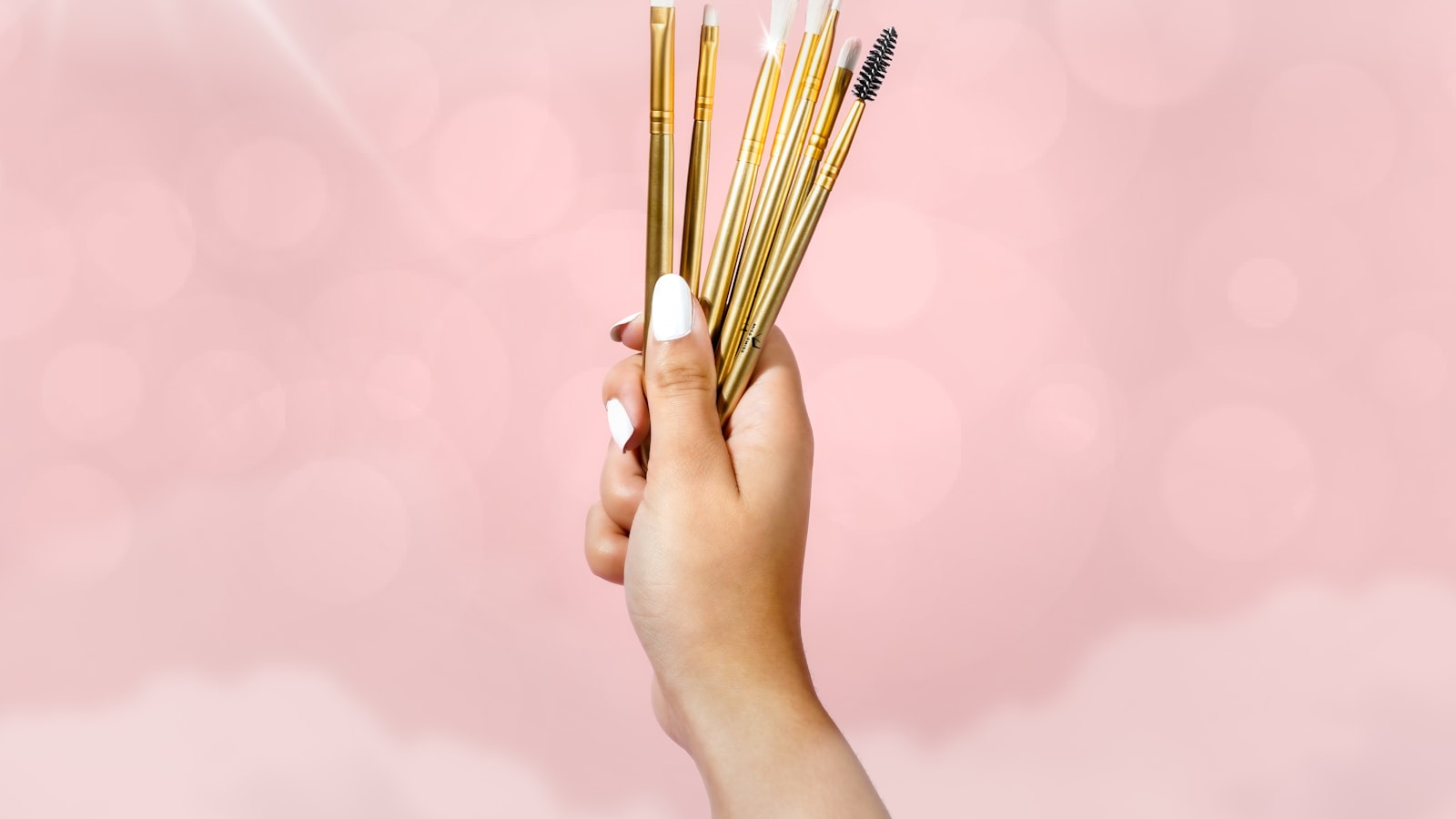
Photo by Ashley Piszek on Unsplash
Key Takeaways
Dirty makeup brushes contribute to acne by transferring bacteria, oil, and dead skin cells into pores. Unwashed brushes can carry bacteria like Staphylococcus and E. coli, which are linked to breakouts and skin infections.
Washing brushes regularly with a gentle cleanser reduces bacteria significantly. For those with acne-prone skin, synthetic brushes are a better choice than natural hair bristles because they don’t trap bacteria as easily. Storing brushes in an antimicrobial case can also help minimize contamination.
Breakouts that appear where you apply makeup—like cheeks, chin, or forehead—may indicate your brushes are the problem. Increased irritation or redness after use can also signal contamination.
The Science: How Dirty Makeup Brushes Trigger Acne
Dirty makeup brushes don’t just look unappealing—they can harm your skin. Each use deposits bacteria, oil, and dead skin cells into pores, creating an environment where acne-causing microbes thrive. Over time, this buildup leads to clogged follicles and inflammation.
Bacteria: The Hidden Problem
Your skin naturally hosts bacteria like Propionibacterium acnes and Staphylococcus, which are usually harmless in small amounts. However, dirty brushes transfer accumulated bacteria directly to your face. Without regular cleaning, bacteria multiply rapidly on the bristles.
Dirty brushes act as breeding grounds for bacteria, particularly for those prone to acne. Brushes used on oily areas or near breakouts become especially problematic, as they collect and redistribute bacteria that worsen acne.
Oil and Dead Skin: The Clogging Factors
Bacteria aren’t the only issue. Every time you apply makeup, brushes pick up sebum and dead skin cells. Over time, these substances oxidize and harden on the bristles, forming a film that traps more debris. When you reuse the brush, this buildup is pressed back into your pores, creating ideal conditions for blackheads and whiteheads.
Synthetic brushes, made from materials like taklon or nylon, don’t absorb product like natural hair brushes, so oil and dead skin remain on the surface, ready to transfer. Natural brushes absorb more product but are harder to clean thoroughly, leaving residue that can spoil. Neither type is ideal for acne-prone skin, but synthetic options are generally safer.
Inflammation: Your Skin’s Response
When acne-causing bacteria enter your pores, your immune system reacts by releasing inflammatory molecules called cytokines. These cause redness, swelling, and pus-filled pimples. The more bacteria introduced via dirty brushes, the stronger your immune response becomes. Chronic inflammation can lead to post-inflammatory hyperpigmentation and scarring, particularly for those with deeper skin tones.
Some bacteria, like P. acnes, produce enzymes that break down sebum into irritating fatty acids. These acids damage the pore lining, increasing the likelihood of rupture and spreading inflammation. It’s a cycle: dirty brushes lead to more bacteria, which leads to more inflammation and breakouts.
Signs Your Makeup Brushes Are Causing Your Acne
Dirty makeup brushes can lead to persistent breakouts. If you’re struggling with acne that won’t clear, your brushes might be to blame. Here’s how to recognize the signs.
Breakouts Follow Application Areas
Acne from dirty brushes appears where you apply makeup. Blush brushes may cause bumps on cheekbones, while foundation brushes can lead to breakouts on the forehead and chin. Even eyeshadow brushes can cause milia around the eyes. If your breakouts match your makeup routine, your brushes are likely the cause.
The 24–48 Hour Delay
Breakouts from dirty brushes don’t appear immediately—they typically surface one to two days after use. This delay can make it hard to connect the dots. If you notice new bumps the morning after using an unwashed brush, it’s a sign your tools need cleaning.
Texture Indicators
Brush-related breakouts often present as small, uniform bumps—closed comedones or tiny pustules. Cystic acne is less common unless other factors are involved. If your skin feels rough or looks like sandpaper, your brushes may be the issue.
Skin Reactions During Application
Healthy skin shouldn’t react negatively to makeup application. If your foundation brush causes stinging, itching, or redness, your brush may be dirty or unsuitable for your skin type. Synthetic bristles are less likely to trap bacteria than natural hair, but even they become problematic if neglected.
The Disposable Test
To confirm whether your brushes are the problem, try using disposable applicators for a week. If your skin improves, your brushes were likely the culprit. You don’t need to discard them—just clean them properly.
Tools to Test: Gentle Cleaners for Acne-Prone Skin
If your brushes are the issue, these cleaners can help—provided you use them every 7–10 days:
- Cinema Secrets Brush Cleaner: Alcohol-free, dries quickly, and reduces bacteria effectively.
- Beautyblender Solid: A solid soap that lathers easily and rinses clean.
- Sigma Brush Cleansing Glove: A textured glove for deep cleaning.
How Often Should You Clean Brushes to Prevent Acne?
Dirty brushes can lead to breakouts if not cleaned regularly. For most people, cleaning makeup brushes once or twice a week helps prevent acne. However, your skin type, the products you use, and the brush material can all influence how often you should clean them.
The General Rule: Weekly Cleaning
If you use the same brushes daily, aim to clean them every 7–10 days. However, not all brushes require the same cleaning frequency.
- Cream/liquid products (foundation, concealer, cream blush): Clean weekly. These formulas are oil-based and cling to bristles, creating an environment where bacteria can thrive.
- Powder products (blush, bronzer, eyeshadow): You can clean these every two weeks, but spot-cleaning between uses is recommended. Powders are less likely to trap oil but still collect dead skin cells and grime.
Pro tip: Use a brush cleaning spray after each use to kill surface bacteria and extend the time between deep cleans.
Skin Type Adjustments
Your skin’s oil production affects how often you should clean your brushes.
- Oily/acne-prone skin: Clean every 3–4 uses (or every 5–7 days). Oily skin attracts more bacteria, and brushes absorb it readily. If you break out along your jawline or cheeks—where you apply foundation—your brushes may be the cause.
- Dry/sensitive skin: Stick to weekly cleaning. Over-washing can strip natural oils from bristles, making them rough and irritating. If your skin feels tight or red after application, your brushes may need attention.
- Combination skin: Clean every 5–7 days, but spot-clean after each use.
Deep Clean vs. Spot Clean
Not every cleaning session needs to be thorough. Here’s when to use each method:
- Spot clean: Do this after every use (or every other use). A quick spritz with a sanitizing spray or a swipe with a brush wipe removes surface bacteria and product residue. It’s not a substitute for deep cleaning but extends the time between washes.
- Deep clean: Do this weekly (or every 3–4 uses for oily skin). Use a gentle brush cleanser or mild shampoo and lukewarm water. Squeeze out excess water with a towel—never twist or wring, as this damages bristles—and lay flat to dry.
Expert tip: Synthetic brushes can handle more vigorous cleaning than natural hair brushes, which absorb water and can become brittle if over-washed.
Best Brush Materials for Acne-Prone Skin
If you want to prevent breakouts, the material of your makeup brushes is just as important as how often you clean them. Some bristles trap bacteria more easily than others, while some are designed to resist buildup. Here’s what to choose—and what to avoid.
Synthetic vs. Natural Bristles
Natural hair brushes—like those made from goat, squirrel, or sable—may feel soft, but they’re not ideal for acne-prone skin. Natural fibers have microscopic scales that trap oil, dead skin cells, and bacteria, turning your brush into a breeding ground for acne-causing microbes.
Synthetic brushes, made from taklon, nylon, or polyester, are non-porous and hydrophobic, meaning they repel moisture and bacteria instead of absorbing it. Brands like Real Techniques and Morphe’s Pro series use high-quality synthetics that mimic the softness of natural hair without the bacterial risk. If you’re using natural brushes, switching to synthetic is a must.
Antimicrobial Coatings
Some brushes feature antimicrobial coatings, such as silver-ion or copper-infused bristles, which inhibit bacterial growth between cleanings. This is particularly helpful if you’re prone to cystic acne or live in a humid climate where bacteria thrive.
However, antimicrobial coatings don’t replace cleaning. They provide an extra layer of protection but aren’t a substitute for regular washing. Use these brushes and stick to a 1–2x weekly cleaning routine.
Brush Density
The density of your brush’s bristles also affects bacterial buildup. Loose, airy bristles dry faster, reducing the time bacteria have to multiply. Dense brushes, like kabuki or stippling brushes, trap moisture in the center, creating an ideal environment for bacteria.
For acne-prone skin, opt for loosely packed synthetic brushes with a tapered or fluffy shape. The Sigma F80 Flat Kabuki is a good example—it’s dense enough for foundation application but designed with vented bristles to dry quickly. If you prefer dense brushes, clean them immediately after use and store them upright to air-dry.
When to Replace Your Brushes
Brushes don’t last forever, especially if you’re acne-prone. Over time, bristles degrade, fray, and develop microscopic cracks that trap bacteria. Replace your brushes every 3–6 months if you use them daily, or sooner if you notice:
- Bristles shedding onto your face
- A lingering odor even after cleaning
- Stubborn makeup residue that won’t wash out
Pro tip: Label your brushes with the purchase date to keep track of their age.
What to Buy (And What to Avoid)
| Factor | Synthetic Brushes | Natural Brushes |
|---|---|---|
| Bacterial Risk | Low (non-porous, repels bacteria) | High (porous, traps bacteria) |
| Cleaning Ease | Easy (resists residue buildup) | Harder (absorbs product, harder to clean) |
| Best For | Acne-prone, oily skin | Dry, sensitive skin (if cleaned meticulously) |
| Durability | Long-lasting (resists fraying) | Shorter lifespan (bristles degrade faster) |
| Cost | Affordable (e.g., Morphe, Real Techniques) | Expensive (e.g., sable, squirrel hair) |
Beyond Cleaning: 5 Habits to Stop Brush-Related Acne
Cleaning your brushes is essential, but it’s not the only factor in preventing breakouts. Even well-cleaned brushes can cause acne if you’re not careful about storage, application, and hygiene. Here’s how to keep your tools from sabotaging your skin.
Store Brushes Properly
A clean brush is useless if you store it in a damp, enclosed space where bacteria can multiply. UV sanitizers, like the BrushGuard or Larissa Love’s Brush Tree, use UV-C light. If you don’t have one, use a breathable brush holder that allows bristles to air-dry upright. Avoid decorative jars—trapped moisture can lead to mold.
Avoid Double-Dipping
Dipping a brush into your foundation after it’s touched your face transfers bacteria and oil back into the product. Instead, scrape product onto a palette or the back of your hand first, then pick it up with a clean brush. For cream blushes and concealers, use a disposable spatula to avoid cross-contamination.
Layer Products Correctly
Applying acne treatments after makeup can render them ineffective. Always use benzoyl peroxide, salicylic acid, or retinoids before foundation, letting them dry for 2–3 minutes first. This creates a barrier that prevents bacteria from hitching a ride on your brush and back into your pores.
Travel Hygienically
Airplane trays, hotel counters, and gym bags are breeding grounds for bacteria. Never toss brushes loose into your bag—they’ll pick up grime from everything else. Use brush guards or a hard-case organizer with individual slots. For quick trips, switch to disposable applicators or a travel-sized sponge that you can discard after use.
Follow Hygiene Best Practices
- Replace sponges every 1–3 months: Beauty blenders harbor significantly more bacteria than brushes, even when cleaned weekly.
- Never share brushes: Sharing transfers bacteria like Staphylococcus and E. coli. If you must share, sanitize bristles with 70% isopropyl alcohol between uses.
- Wash your hands before applying makeup: Unwashed hands transfer far more bacteria to brushes than clean ones.
When to See a Dermatologist
Dirty makeup brushes are a common cause of acne, but they’re not the only one. If you’ve cleaned your tools regularly, switched to synthetic bristles, and still struggle with breakouts, it may be time to consult a professional. Here’s when to seek help.
Red Flags
Persistent breakouts despite clean brushes suggest a deeper issue. Painful, cystic acne rarely responds to surface-level fixes. Signs of infection—like pus-filled pimples, swelling, or red streaks—require medical attention.
If acne keeps worsening after brush hygiene is under control, the cause may be something else entirely — fungal acne, a product allergy or rosacea are common alternatives, and each needs its own treatment. That is a question for a dermatologist, not for a brush routine.
Other Culprits
Acne isn’t one-size-fits-all. Hormonal acne often appears as deep, monthly cysts along the jawline. Fungal acne mimics bacterial breakouts but requires antifungal treatments. If your skin stings when you apply products, you may have contact dermatitis, not clogged pores.
A quick self-check: Swap your usual products for fragrance-free, non-comedogenic alternatives for two weeks. If breakouts persist, it’s likely not your brushes.
Treatment Options
Dermatologists offer solutions like topical antibiotics, retinoids, cortisone injections, and professional extractions. Most people wait too long to seek help, increasing the risk of scarring. If your acne hasn’t improved after 6–8 weeks of diligent brush cleaning and skincare adjustments, a dermatologist can create a tailored plan.
Frequently Asked Questions
Dirty makeup brushes can cause more than just bacterial acne—they can also trigger fungal acne, clog pores, and worsen existing breakouts. Here are answers to common questions.
Can dirty makeup brushes cause fungal acne?
Yes. The yeast Malassezia, which causes fungal acne, thrives in the oily environment of unwashed brushes. If your breakouts are small, itchy, and clustered around your T-zone, your brushes may be the culprit. Synthetic bristles are less porous than natural hair but still require regular cleaning. Use a fungicidal cleaner or a 50% water, 50% white vinegar solution to kill spores.
How do I know if my brushes are clean enough?
Clean brushes should smell neutral and feel smooth. Run your finger across the bristles—if you see residue or feel grit, they’re not clean. For a foolproof test, swirl a brush on a white paper towel after washing: if it leaves a colored streak, you missed a spot. UV sanitizers can kill bacteria between washes but don’t replace soap and water.
What’s the best brush cleaner for acne-prone skin?
Avoid baby shampoo—it’s not strong enough to dissolve sebum or kill acne-causing bacteria. For oily and acne-prone skin, dermatologists recommend:
- Clinique Brush Cleanser (alcohol-free, contains salicylic acid)
- Beautyblender Solid Cleanser (sulfate-free)
- DIY option: 1 part tea tree oil + 4 parts liquid castile soap
Avoid bar soaps, which leave residue. In a pinch, 91% isopropyl alcohol works but dries out bristles over time.
Do beauty blenders cause more acne than brushes?
Yes, if not washed daily. Beauty blenders are porous and absorb product, sweat, and bacteria. If you use a blender, wash it after every use and replace it every 3 months. For acne-prone skin, synthetic brushes are a safer choice.
Can I use rubbing alcohol to clean my brushes?
Yes, but sparingly. 70% isopropyl alcohol kills bacteria and dries quickly, making it useful for spot-cleaning between deep cleans. However, frequent use can dry out bristles and cause them to fray. For deep cleaning, stick to gentle cleansers.
How long do makeup brushes last?
Brushes typically last 3–6 months with daily use. Replace them sooner if you notice:
- Bristles shedding onto your face
- A lingering odor even after cleaning
- Stubborn residue that won’t wash out
Label your brushes with the purchase date to track their age.
Are expensive brushes better for acne-prone skin?
Not necessarily. Expensive brushes often use higher-quality materials, but synthetic brushes from affordable brands like Morphe or Real Techniques work just as well for acne-prone skin. The key is choosing non-porous, synthetic bristles and cleaning them regularly.
Can I use the same brush for different products?
It’s best to use separate brushes for different products to avoid cross-contamination. For example, don’t use the same brush for foundation and powder—oil-based products can transfer bacteria to powder products, and vice versa. If you must use one brush for multiple products, spot-clean it between uses.
What’s the fastest way to dry brushes?
Lay them flat on a clean towel with bristles hanging off the edge. This allows air to circulate around the bristles, speeding up drying time. Avoid standing brushes upright in a cup—water can seep into the ferrule, loosening the glue and causing bristles to shed.
Can I use a hairdryer to dry my brushes?
No. The heat from a hairdryer can melt the glue holding the bristles in place, causing them to shed. It can also damage natural hair bristles, making them brittle. Always air-dry brushes naturally.
Final Thoughts: Keep Your Brushes Clean, Keep Your Skin Clear
Dirty makeup brushes contribute to clogged pores, breakouts, and skin irritation. Every use transfers bacteria, oil, and dead skin cells to your face, creating an environment where acne can thrive. The solution isn’t complicated: clean your brushes regularly, choose the right materials, and store them properly.
Wash your brushes 1–2 times a week with a gentle cleanser. Synthetic brushes are a better choice for acne-prone skin because they don’t trap bacteria like natural hair bristles. Store your brushes upright in a ventilated holder to let them dry fully between uses. For extra protection, consider a UV sanitizer or antimicrobial brush set.
If you’re serious about preventing breakouts, start with one action this week—wash your brushes, replace old ones, or try a UV sanitizer. Your skin will show the difference, often within a week. Breakouts don’t stand a chance when your tools are working for you, not against you.
Keep reading
Keep exploring the topic with these related guides: