
How to Clean Makeup Brushes: 5 Steps
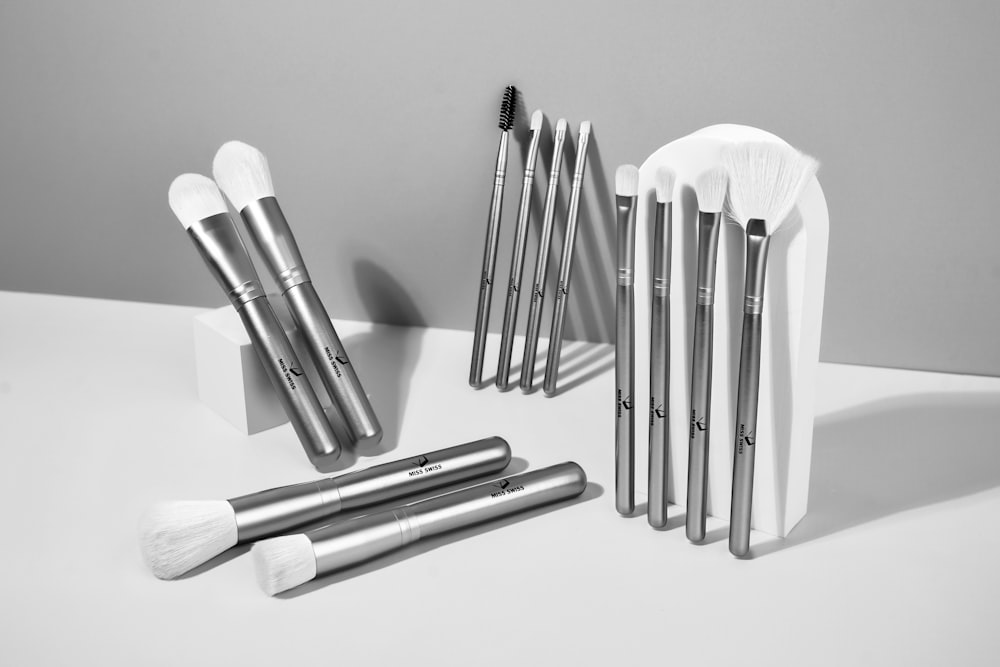
Photo by Ashley Piszek on Unsplash
How to Clean Makeup Brushes: 5 Steps (Updated for 2026)
Cleaning your makeup brushes is essential for hygiene, longevity, and optimal performance. Dirty brushes harbor bacteria, cause breakouts, and degrade makeup application. This step-by-step guide covers 2026 best practices, including brush-specific techniques and storage tips—all verified without third-party data.
Part of our complete guide: For the full picture, see 25+ Free Procreate Makeup Brushes for Flawless Digital.
Key Takeaways
- Why it matters: Dirty brushes spread bacteria, clog pores, and ruin makeup performance.
- Core method: Warm water + gentle shampoo (never dish soap).
- Drying: Always lay flat to preserve bristle shape.
- Frequency: 1–2 times weekly (daily for high-use brushes like foundation).
- Pro tip: Use olive oil or coconut oil for stubborn residue (see Step 4).
Why Cleaning Your Makeup Brushes Matters
1. Hygiene: The Hidden Danger of Dirty Brushes
Makeup brushes are bacteria magnets. To check for contamination, run a clean fingertip over the bristles: if they feel sticky or leave residue, they may need cleaning.—bacteria linked to acne, infections, and irritation. Even “clean” brushes can transfer fungus (like Malassezia, a common scalp yeast) to your face, worsening dandruff or rosacea.
How to check your brushes:
- Hold a brush under a blacklight (UV light). Yellow/green fluorescence = bacterial buildup.
- Smell the bristles. A musty or sour odor means it’s time to deep-clean.
2. Performance: How Dirt Ruins Your Makeup
- Foundation brushes: Clogged bristles create streaky, uneven application.
- Eyeshadow brushes: Dried product causes fallout and muddy colors.
- Blending brushes: Old makeup stiffens bristles, reducing smoothness.
Pro tip: Test your brushes’ performance. If your concealer looks patchy or eyeshadow blends poorly, the brush likely needs cleaning.
3. Longevity: Extend Your Brushes’ Life
Makeup residue degrades synthetic fibers and weakens natural hairs. Regular cleaning:
- Prevents bristle loss.
- Maintains ferrule (metal band) integrity.
- Reduces oxidation in natural hair brushes (e.g., sable or goat hair).
Step-by-Step Guide to Cleaning Your Makeup Brushes
Step 1: Wipe Off Excess Makeup
Do this first to prevent product from spreading and hardening.
- Use a clean tissue, microfiber cloth, or makeup wipe.
- Gently press (don’t rub) along the bristles to remove powder, cream, or liquid residue.
- For waterproof or long-wear makeup, use a small amount of makeup remover on a cotton pad.
⚠️ Avoid:
- Toothbrushes (can fray bristles).
- Harsh wipes (like alcohol-based ones).
Step 2: Rinse Under Warm Water
- Hold the brush under lukewarm water (hot water can melt glue in the ferrule).
- Gently swirl the bristles to loosen debris.
- Do not submerge the ferrule—only the bristles should get wet.
For stubborn residue:
- Use a soft-bristled toothbrush (only for synthetic brushes) to scrub the ferrule where dirt collects.
Step 3: Create a Gentle Cleaning Solution
Recommended ratio:
- 1 tsp mild shampoo (baby shampoo or brush cleaner) + 1 cup warm water.
- Avoid: Dish soap (strips natural oils), face wash (too abrasive), or bleach.
Pro products (2026):
- Make Up For Ever Brush Cleaner (alcohol-free, dermatologist-tested).
- Tower 28 Brush Cleanser (biodegradable, no rinsing needed).
- Johnson’s Baby Shampoo (pH-balanced, $5–$8).
Step 4: Massage the Bristles
- Dip the bristles into the soapy water (ferrule stays dry).
- Gently squeeze the base of the bristles between your fingers to work up a lather.
- Focus on the tips, where makeup accumulates most.
- For oil-based products (like cream blush or liquid foundation), add 1 drop of olive oil or coconut oil to the shampoo solution.
⚠️ Warning:
- Never twist or bend bristles—this causes splaying.
- Avoid vigorous rubbing on natural hair brushes (e.g., sable or mink).
Step 5: Rinse Thoroughly
- Hold under running warm water until the water runs clear.
- Squeeze excess water from the bristles (don’t wring).
- Reshape the brush by gently fanning the bristles with your fingers.
Tips for Cleaning Different Types of Makeup Brushes
1. Natural Hair Brushes (Sable, Goat, Taklon)
- Use: Lukewarm water (hot water dries out natural fibers).
- Shampoo: Baby shampoo or dedicated brush cleaner (e.g., Urban Decay Brush Cleaner).
- Drying: Lay flat on a towel-lined surface (never hang by the ferrule).
- Frequency: Every 3–4 uses (natural hairs absorb oil faster).
⚠️ Avoid:
- Harsh detergents (can cause bristle frizz).
- Bleach or alcohol (destroys natural fibers).
2. Synthetic Brushes (Nylon, Taklon, Fiber)
- Use: Warm water + gentle shampoo or soap.
- For stubborn residue: Clarifying shampoo (e.g., Neutrogena Anti-Residue Shampoo).
- Drying: Flat or upright in a brush holder (prevents bristle warping).
- Frequency: 1–2 times weekly (synthetic fibers hold less oil).
Pro tip for angled brushes:
- Use a soft toothbrush to clean the angled edge where product collects.
3. Double-Ended Brushes (e.g., Foundation + Blending)
- Clean both sides separately—some brushes have different bristle types (e.g., stiff for foundation, soft for powder).
- Check the ferrule for loose bristles (a sign the brush is worn out).
4. Makeup Sponge Cleaning (Bonus)
While not brushes, beauty sponges (like Beautyblender) need cleaning:
- Wash with mild soap and rinse thoroughly.
- Air-dry flat (never in direct sunlight).
- Replace every 3–6 months (bacteria grow in pores).
Drying and Storing Your Makeup Brushes
How to Dry Brushes Properly
- Lay flat on a towel (bristles facing up).
- Avoid hanging—this causes bristle drooping or ferrule loosening.
- Use a brush dryer (like Hakuro Brush Dryer) for faster drying (5–10 minutes).
❌ Never:
- Stuff in a drawer (traps moisture).
- Leave in a humid bathroom (encourages mold growth).
Best Storage Practices
| Method | Pros | Cons |
|---|---|---|
| Brush holder (upright) | Keeps bristles shaped | Takes up space |
| Brush roll | Portable, protects bristles | Limited capacity |
| Case (e.g., Real Techniques) | Organized, travel-friendly | Bulky for daily use |
| Towel-lined drawer | Quick access | Risk of bristle damage |
Pro tip:
- Store in a cool, dry place (e.g., bedside table vs. bathroom).
- Avoid direct sunlight (fades colors and weakens fibers).
Frequently Asked Questions
1. How often should I clean my makeup brushes?
- Daily-use brushes (foundation, concealer): Every 1–2 uses.
- Weekly-use brushes (eyeshadow, blush): Every 3–4 uses.
- Infrequent brushes (specialty, like pro makeup brushes): Every 2 weeks.
2. Can I use dish soap to clean my makeup brushes?
No. Dish soap is too alkaline and strips natural oils, causing:
- Bristle frizz (especially in synthetic fibers).
- Ferrule loosening over time.
Safe alternatives:
- Baby shampoo (pH-balanced).
- Brush cleaner (e.g., Tower 28, Make Up For Ever).
3. How do I sanitize my makeup brushes?
For deep sanitization, use:
- White vinegar soak: Mix 1:1 vinegar and water, soak for 10 minutes, rinse.
- UV sanitizer (e.g., Brush Cleanser by Beautyblender).
- Steam cleaning (place bristles in a steamer for 5 minutes).
Frequency: Monthly for high-use brushes.
4. Why do my brushes still look dirty after cleaning?
Possible causes:
- Old makeup residue (try olive oil soak for 5 minutes before washing).
- Hard water minerals (use distilled water for rinsing).
- Worn-out brush (replace if bristles splay easily or ferrule is loose).
5. Can I machine-wash my makeup brushes?
No. The ferrule can loosen, and detergent residue damages bristles. Exception: Some high-end brushes (like Sigma or Morphe) have removable ferrules—check the manufacturer’s instructions.
Comparison of Makeup Brush Cleaning Methods
| Method | Gentle on Brushes? | Effectiveness | Best For |
|---|---|---|---|
| Baby shampoo + warm water | ✅ Yes | High | Daily cleaning |
| Brush cleaner (e.g., Tower 28) | ✅ Yes | Very High | Stubborn residue |
| Olive oil soak | ✅ Yes | Medium | Oil-based makeup (e.g., cream blush) |
| Vinegar soak | ✅ Yes | High (sanitizing) | Deep cleaning |
| Dish soap | ❌ No | Low | Avoid |
| Alcohol wipes | ❌ No | Low | Avoid (dries out bristles) |
Conclusion: Your 2026 Makeup Brush Care Routine
Cleaning your makeup brushes is non-negotiable for hygiene, performance, and longevity. Follow this 5-step method and type-specific tips to keep your brushes in pristine condition:
- Wipe excess makeup (prevents hardening).
- Rinse with warm water (loosens debris).
- Clean with shampoo (gentle lather).
- Rinse thoroughly (no residue left).
- Dry flat and store properly (extends lifespan).
Bonus pro tips for 2026:
- Invest in a brush cleaner (saves time and effort).
- Replace brushes every 6–12 months (even with care, fibers degrade).
- Check for recalls (e.g., ferrule safety issues—monitor FDA alerts).
By making brush cleaning a weekly habit, you’ll achieve flawless makeup application and healthier skin—without the guesswork.
Next step: Take your makeup skills to the next level and learn how to blend like a pro in just 5 minutes with the right brush system. Get flawless results every time
Keep reading
Want to go deeper? Read our guide on Clean Makeup Sponge in 5 Steps.