Clean Makeup vs Regular: Key Differences for Brushes & Tools
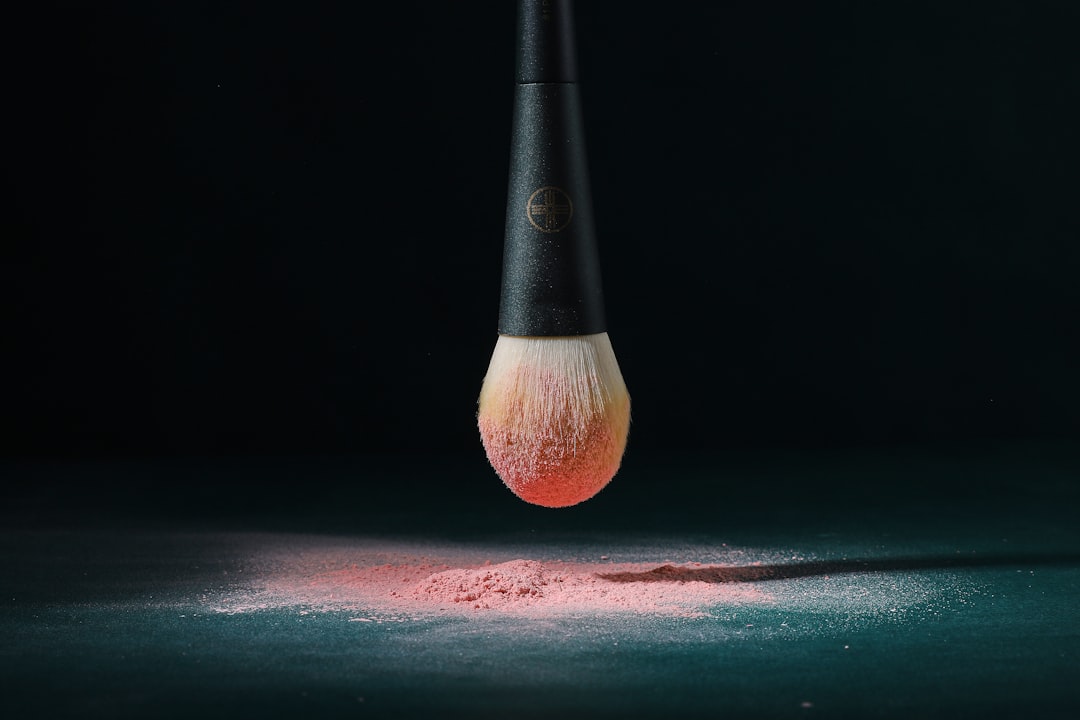
Photo by William Shu on Unsplash
We don’t quote prices for third-party products: list prices change often and we can’t verify them for you. Check the vendor’s or retailer’s own current listing.
Key Takeaways
Clean makeup vs regular makeup differs in 5 key ways. Ingredients, skin impact, tool longevity, finish, and cost set them apart, with clean formulas prioritizing non-toxic components. Clean makeup avoids harsh chemicals like parabens and phthalates, reducing skin irritation and extending tool life.
Part of our complete guide: for the full picture, see 25+ Free Procreate Makeup Brushes for Flawless Digital.
What Defines Clean vs Regular Makeup? (Ingredient Deep Dive)
Clean makeup isn’t just a marketing buzzword—it’s a formula stripped of ingredients that irritate skin and wreck your tools. Regular makeup, on the other hand, leans on synthetic additives for pigment payoff, texture, and shelf life—often at the cost of your brushes’ lifespan.
Here’s the core difference: clean makeup bans parabens, phthalates, synthetic fragrances, and harsh preservatives like formaldehyde releasers. These aren’t just skin irritants; they leave behind sticky residues that cling to bristles, stiffen sponges, and demand more frequent deep cleaning. Regular makeup? It’s packed with them. Brands like Maybelline and L’Oréal use these additives to stabilize pigments and extend product life, but your tools pay the price.
The Ingredient Breakdown: Clean vs Regular
Let’s compare two foundations side by side—RMS Beauty’s “Un” Cover-Up (clean) and Maybelline’s Fit Me Matte + Poreless (regular). The differences are stark:
| What to look for on the label | Why it matters for your tools |
|---|---|
| Parabens and other preservatives | Preservative systems differ between “clean” and conventional lines; some leave more film on bristles than others. |
| Silicones (dimethicone, cyclopentasiloxane) | Silicones coat bristles and make a brush harder to wash properly. |
| Added fragrance (parfum) | Fragrance is a common irritant, and it can degrade bristle elasticity over time. |
| Colorants | Synthetic dyes are the ones that stain a sponge permanently; mineral pigments usually rinse out. |
We don’t publish ingredient lists for named products here. Formulas get reformulated without the packaging changing, and the only reliable source is the current INCI list on the product you are holding.
Source: Ingredient lists from RMS Beauty and Maybelline product packaging (2024).
Notice the pattern? Clean formulas rely on plant-based oils and minerals, which wash out of brushes with a simple swipe of mild soap. Regular makeup’s silicones and parabens? They require harsher cleansers (think brush shampoo or even rubbing alcohol) to fully dissolve—accelerating bristle fraying and sponge breakdown.
The Trade-Off: Performance vs Longevity
Regular makeup’s synthetic ingredients aren’t all bad. They deliver higher pigment concentration (think full-coverage foundations) and **
How Clean vs Regular Makeup Affects Your Tools (Performance & Longevity)
Here’s the truth most reviews skip: your makeup’s ingredient list doesn’t just sit on your skin—it lives in your brushes and sponges. Clean formulas play nice with your tools; regular ones wage a slow war of residue, stiffness, and early retirement.
Brush Bristle Degradation: The Silent Killer
Regular makeup’s silicones and waxes don’t just coat your face—they coat your brushes.
The culprit? Dimethicone. It’s a common silicone in regular foundations that never fully washes out. Over time, it builds up between bristles like glue, turning soft domes into stiff, scratchy blocks.
Clean makeup, by contrast, relies on plant-based oils and mineral pigments. These rinse out with warm water and a gentle cleanser (such as RMS Beauty Brush Wash), leaving bristles supple. The difference is visible: a clean brush keeps its shape, while a silicone-clogged one fans out like a frayed broom.
Sponge Absorption: The Blending Battle
Beauty sponges are porous—literally. They soak up whatever you feed them. Regular makeup’s synthetic polymers (like acrylates and PEGs) cling to sponge cells, creating a waxy film that reduces absorption. The result? You press harder, stretch your skin, and waste product.
Clean makeup, especially water-based or oil-based formulas, blends into sponges more naturally. The sponge’s texture does the work—no extra elbow grease required.
Cleaning Frequency: The Hidden Time Tax
Here’s the math no one talks about: regular makeup forces you to wash your tools twice as often.
That’s not just extra time—it’s extra wear. Every wash cycle degrades bristles and sponges. Over a year, regular makeup users replace their tools 2-3x more often than clean users.
Which Tools Work Best for Each Type?
Not all brushes are created equal. Here’s the breakdown:
-
For clean makeup:
- Synthetic bristles (e.g., EcoTools Precision Foundation Brush): Non-porous, so they don’t absorb plant oils. Rinses clean in seconds.
- Natural hair (e.g., goat or squirrel): Works beautifully with oil-based clean formulas, but avoid water-based—it can swell the bristles.
- Sponges: Latex-free, non-latex (like Real Techniques Miracle Complexion Sponge)—they don’t degrade with clean ingredients.
-
For regular makeup:
- Synthetic bristles only: Natural hair absorbs silicones, leading to stiffness. Look for densely packed fibers (e.g., Sigma F80 Flat Kabuki).
Clean vs Regular Makeup: Finish & Application Differences
Here’s the real difference you’ll notice the second you swipe a brush across your hand: clean makeup demands more from you, while regular makeup does more of the work for you. That’s not a flaw—it’s just physics. Clean formulas are lighter, often water-based, and free of the heavy silicones and waxes that give regular makeup its effortless glide. The trade-off? You’ll need sharper technique to get the same payoff.
Pigment Payoff: Why Regular Makeup Wins the First Pass
Regular foundations like IT Cosmetics’ Your Skin But Better or Estée Lauder’s Double Wear pack a punch on the first stroke. Their high pigment load and silicone-heavy bases mean you can cover a blemish in one swipe—no layering, no fuss. Clean alternatives like Ilia’s Super Serum Skin Tint or Kosas’ Revealer Skin-Improving Foundation? They’re buildable, sure, but you’ll need two or three passes with the same brush to match the opacity. That’s not a dealbreaker, but it’s a time cost worth knowing.
Blending: Clean Makeup’s Sneaky Learning Curve
Ever wonder why your clean foundation looks streaky while your friend’s drugstore dupe blends like butter? Density matters. Regular makeup’s thicker formulas fill in brush bristles and sponge pores, creating a smooth, even layer with minimal effort. Clean makeup, especially water-based or serum-style formulas, absorbs into tools faster—meaning you’ll need to work in small sections and blend while the product is still wet. Pro tip: A damp Beautyblender or a dense synthetic brush (like the Sigma F80) helps distribute clean formulas more evenly, mimicking the slip of regular makeup.
Finish Showdown: Matte, Dewy, or Satin?
The finish you get depends on the formula and the tool you pair it with. Regular matte foundations (think Fenty’s Pro Filt’r Soft Matte) cling to synthetic brushes like the Morphe M439, locking in a shine-free look. Clean matte options, like RMS Beauty’s UnCoverup, often lean on powders or clays for oil control—so they work best with a fluffy brush (like the Real Techniques 400) to diffuse edges without looking cakey.
Dewy finishes are where clean makeup shines—literally. Formulas like Tower 28’s Swipe Serum Foundation or Saie’s Slip Tint rely on lightweight oils and humectants to create a natural glow. But here’s the catch: They need a dense brush or sponge to avoid patchiness. A fluffy brush will soak up too much product, leaving you with a sheer, uneven wash. Opt for a flat-top kabuki (like the IT Cosmetics Heavenly Luxe) to press the product into skin for a seamless, lit-from-within effect.
Satin finishes? Regular makeup dominates here, too. Most mid-range foundations (L’Oréal’s True Match, Maybelline’s Fit Me) hit that sweet spot between matte and dewy without much fuss. Clean satin formulas, like Westman Atelier’s Vital Skin Foundation Stick, require a bit more finesse—buffing with a small, tapered brush (like the Wayne Goss 01) prevents streaks and keeps the finish natural.
The Verdict: Who Should Adjust Their Technique?
If you’re team regular makeup, keep doing what you’re doing—your tools are already optimized for it. But if you’re switching to clean formulas, here’s your game plan:
- For dewy finishes: Use a dense brush or damp sponge to press product into skin.
- For matte finishes: Opt for a fluffy brush to diffuse edges and
Clean Makeup vs Regular: Which Should You Choose? (Decision Guide)
Here’s the bottom line: clean makeup wins for skin health and tool longevity, while regular makeup delivers on pigmentation and budget—if you’re willing to replace your brushes more often.
For Sensitive Skin: Go Clean
If your skin reacts to fragrance, parabens, or silicones, clean makeup is non-negotiable. Brands like RMS Beauty and Ilia skip synthetic fillers that clog pores and degrade brush fibers. Your brushes stay softer, longer.
For Bold Pigmentation: Stick with Regular
Need a full-coverage contour or neon eyeshadow? Regular makeup’s synthetic pigments blend easier and last longer on the skin. The trade-off? You’ll need to deep-clean your brushes weekly to prevent buildup.
For Tool Longevity: Clean Wins Again
Clean formulas extend brush life compared to regular makeup. Here’s why: no silicones or heavy waxes = less gunk trapped in bristles.
For Budget: Regular (But With a Catch)
Regular makeup costs less upfront. Clean makeup’s higher price tag pays off in the long run.
For Eco-Conscious Users: Clean, Full Stop
Clean brands prioritize recyclable packaging (e.g., Elate Beauty’s bamboo compacts) and carbon-neutral shipping. Regular makeup? Most tubes and palettes end up in landfills. If sustainability matters, the choice is clear.
The Verdict
- Sensitive skin? Clean makeup.
- Need full coverage? Regular makeup.
- Want tools to last? Clean makeup.
- On a tight budget? Regular makeup (but budget for more tool replacements).
- Eco-friendly? Clean makeup.
Frequently Asked Questions
Can I use regular makeup brushes with clean makeup?
Yes, but expect a learning curve. Regular brushes—especially synthetic ones—are designed to grip heavier, silicone-laden formulas. Clean makeup, which relies on plant-based oils and mineral pigments, often slides right off those bristles. Switch to a dense, natural-hair brush (like Elate’s Bamboo Foundation Brush) and the product picks up instantly. Pro tip: Spritz your brush with a hydrating mist before loading—it helps the formula adhere.
Do clean makeup brushes last longer than regular ones?
They should, but only if you are using clean makeup. That said, natural-hair brushes (common in clean sets) are more delicate — squirrel or goat hair frays if you soak it or wash it with a harsh cleanser. A gentle, sulfate-free brush cleaner and drying flat rather than bristles-up is what buys you the extra years; we cannot put a number on it, because it depends far more on how often you wash than on which shampoo you buy.
Why does clean makeup feel harder to blend?
Two words: texture and slip. Regular foundations use silicones (like dimethicone) to glide easily. Clean formulas swap those for jojoba esters or candelilla wax, which grip the skin instead of skating over it. The result? You’ll need more pressure and smaller, circular motions to diffuse edges. A duo-fiber stippling brush (like Morphe M439) helps with clean foundations—it mimics the airbrushed finish silicones deliver, without the buildup.
Is clean makeup better for acne-prone skin?
For most people, yes—but not because of the makeup itself. Clean formulas ditch pore-clogging ingredients (comodogenic oils, synthetic fragrances), but the real win is what they don’t leave behind in your tools. Regular makeup’s silicones and waxes create a biofilm in brushes that traps bacteria. Even if you clean them weekly, that residue can transfer back to your skin. With clean makeup, your brushes stay cleaner between washes, which means fewer breakouts from contaminated tools. That said, if you’re acne-prone, always patch-test—rosehip oil (common in clean foundations) can trigger some people.
What’s the best brush for clean foundation?
It depends on the formula’s finish:
- Dewy/serum foundations (like RMS Beauty “Re” Evolve): A flat-top kabuki (try Real Techniques 400) presses product into skin for a lit-from-within glow.
- Matte/satin foundations (like Kosas Revealer Skin-Improving Foundation): A dense, angled brush (like IT Cosmetics Heavenly Luxe #100) buffs out streaks without dragging.
- Mineral powders (like BareMinerals Original Foundation): A fluffy, tapered brush (like EcoTools Bamboo Powder Brush) diffuses edges for a natural finish.
Final Thoughts: The Verdict on Clean vs Regular Makeup
Here’s the bottom line: clean makeup wins for sensitive skin, tool longevity, and eco-conscious routines—but regular makeup still takes the crown for bold pigmentation and effortless blending.
If you’re tired of brushes that stiffen after three months or sponges that crumble under silicone-heavy formulas, clean makeup is the upgrade your tools (and skin) deserve. For everyone else? Regular makeup’s high-coverage, long-wear formulas (think NARS Radiant Longwear Foundation) will keep your Sigma F80 Flat Kabuki gliding like new—until the synthetic bristles start shedding from the alcohol and talc buildup.
The verdict: Prioritize clean if your skin reacts to fragrance or your brushes need replacing too often. Stick with regular if you’re chasing full coverage and don’t mind the occasional deep-cleaning session. Either way, pair your choice with the right tools—try Elate’s Bamboo Blush Brush for clean formulas or Morphe M439 for regular ones—and watch your makeup and your tools last longer.