Synthetic vs Natural Makeup Brushes: 5 Key Differences
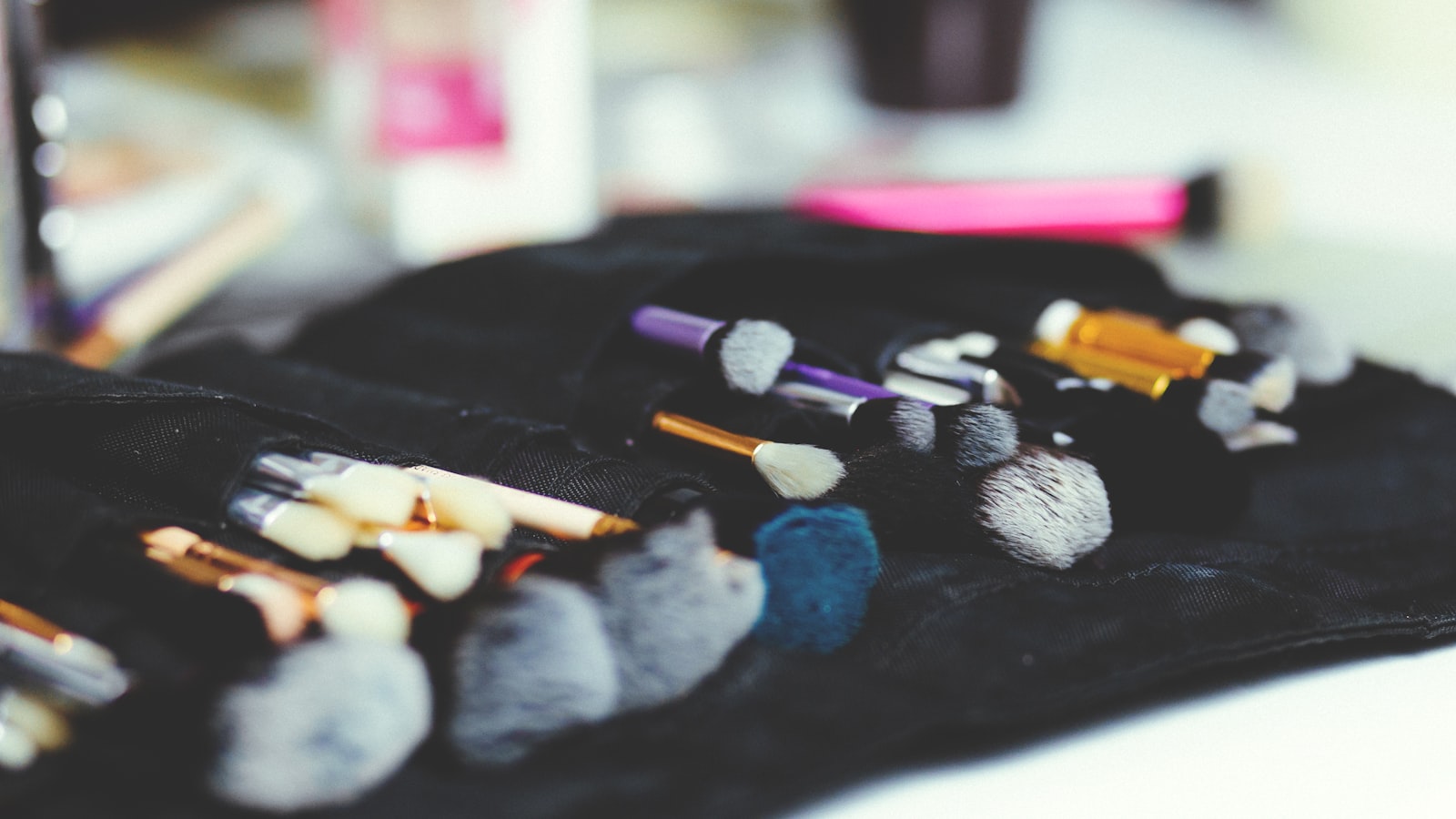
Photo by freestocks on Unsplash
We don’t quote prices for third-party products: list prices change often and we can’t verify them for you. Check the vendor’s or retailer’s own current listing.
Key Takeaways
Synthetic and natural makeup brushes have distinct differences. Synthetic brushes are often more affordable and easier to clean, making them a practical choice for many users.
They can provide a smooth, even finish for both liquid and powder products.
Introduction to Synthetic and Natural Makeup Brushes
Synthetic and natural makeup brushes serve different purposes in the cosmetics industry. Natural brushes are crafted from animal hair, such as sable, squirrel, or goat, while synthetic brushes are made from man-made fibers like nylon or polyester.
The evolution of makeup brushes traces back to ancient times when natural materials like twigs and bones were used. Animal hair brushes became popular in the 19th century, while synthetic alternatives emerged later as technology advanced. Today, synthetic brushes are favored for their durability, ease of maintenance, and accessibility.
History of Makeup Brush Development
Makeup brush innovation has been driven by changing consumer needs and technological progress. In the early 20th century, synthetic fibers were introduced as an alternative to animal hair. Over time, these materials have improved significantly—many high-quality synthetic brushes now offer performance comparable to natural options.
Current market trends show growing interest in synthetic brushes, particularly among eco-conscious and cruelty-free shoppers. Several mainstream brands now market vegan synthetic lines, and some use recycled material in the handle or ferrule — but the claim is per product, not per brand, so check the specific brush’s own page if that is what you are buying for.
Comparison of Synthetic and Natural Makeup Brushes
Synthetic and natural makeup brushes differ in material, durability, performance, and cost. Natural brushes are prized for their softness but may not suit everyone due to ethical or allergy concerns.
Synthetic brushes are typically made from nylon or taklon, which resist bacteria and are easier to clean. Natural brushes, made from animal hair like goat or sable, can shed over time and require more upkeep.
Durability and Lifespan
Synthetic brushes tend to last longer with proper care. For example, Real Techniques notes that their synthetic brushes can maintain quality for up to two years. Natural brushes, however, may need replacement every 6–12 months due to wear.
Performance and Application
Natural brushes excel with powder products, offering a seamless blend. Synthetic brushes have improved significantly and now perform well with liquids and creams. The Hakuro Synthetic Brush, for instance, is designed for smooth, even application of fluid formulas.
Pros and Cons of Synthetic Makeup Brushes
Flawless Blending in 5 Minutes: The Pro Makeup Artist’s Brush System for Busy Creators — If you’re after that flawless, airbrushed finish without spending ages blending, a well-designed brush system can cut your routine down to just five minutes—even with liquid or powder products. The right tools make all t Includes 1 free bonus resources. master pro-level blending in under five minutes
Synthetic makeup brushes are known for their affordability and low maintenance. They’re also hypoallergenic, making them ideal for sensitive skin.
Real Techniques highlights their synthetic brushes as durable and long-lasting, offering strong value.
Key Benefits of Synthetic Brushes
- Less absorbent than natural brushes, reducing product waste
- Easy to clean, with some brands offering dishwasher-safe options
- Hypoallergenic, suitable for sensitive or reactive skin
- Affordable, with a wide range of price points
Synthetic fibers, like nylon or polyester, are designed to resist absorption, helping you use less product. Cleaning is simple—many brands, such as Ecotools, offer synthetic brushes that can be safely washed in a dishwasher.
Overall, synthetic brushes are a great choice for those seeking ease of use, durability, and budget-friendly options.
Pros and Cons of Natural Makeup Brushes
Natural makeup brushes are favored for their soft texture and smooth application. Made from animal hair, they’re often preferred by those with sensitive skin.
However, their absorbency can make them higher-maintenance. Hakuro notes that natural brushes require frequent cleaning to prevent oil buildup and maintain performance.
Key Benefits of Natural Brushes
- Softer finish, ideal for blending
- Gentle on sensitive skin
- More absorbent, great for powder products
- Durable with proper care
The MAC 217 Blending Brush is the natural-hair blending brush most often used as the reference point for this shape; check its current price on the brand’s own listing before you compare. Natural brushes may shed over time and need regular upkeep, but many users find their quality worth the investment.
Choosing the Right Makeup Brush for Your Needs
Selecting the right makeup brush depends on skin type, makeup style, and personal preference.
For sensitive skin, synthetic brushes are often recommended due to their hypoallergenic properties. Real Techniques designs their synthetic brushes to mimic the performance of natural brushes, making them a great budget-friendly alternative.
Budget-Friendly Options
These sets typically include brushes for foundation, eyeshadow, and more.
High-End Options
At the premium end you are usually paying for a softer, more carefully graded natural hair and a better-finished ferrule. Whether that is worth it depends on how much powder work you do — judge it by feel on the specific brush, not by the name on the handle.
Ultimately, the best brush for you depends on your routine, skin type, and budget. Explore options like a Synthetic Brush Set or Natural Brush Set to find your perfect match.
Frequently Asked Questions
What’s the difference between synthetic and natural makeup brushes? Synthetic brushes are made from man-made fibers, while natural brushes use animal hair. This affects performance, durability, and cost.
For sensitive skin, synthetic brushes are often the better choice. Real Techniques confirms their synthetic brushes are gentle and suitable for reactive skin.
Synthetic Brush Compatibility
Can you use synthetic brushes with cream or liquid makeup? Yes—synthetic brushes are designed to work well with these formulas. The Real Techniques Foundation Brush, for example, is popular for its smooth application of liquid foundation.
Natural brushes are better suited for powder products, though they may struggle with creams. Your choice depends on your preferred makeup type and skin needs.
| Brush Type | Material | Durability | Best For |
|---|---|---|---|
| Synthetic | Nylon/Taklon | Long-lasting | Cream/Liquid |
| Natural | Animal Hair | Moderate | Powder |
Conclusion
Choosing between synthetic and natural makeup brushes depends on your skin type, makeup style, and budget.
Synthetic brushes are ideal for sensitive skin and offer ease of maintenance, while natural brushes provide a luxurious feel for powder products. Real Techniques and other brands offer high-quality options in both categories.
For further guidance, refer to our comparison table or explore brush sets tailored to your needs. The right brush can elevate your makeup routine, so consider your preferences carefully.
Keep reading
Keep exploring the topic with these related guides:
Next step: Ready to streamline your makeup routine? This brush system is designed to help you achieve a polished look in minutes, no matter your skill level. get the 5-minute pro blending system here