Brush vs Puff for Powder: 5 Key Differences (2026)
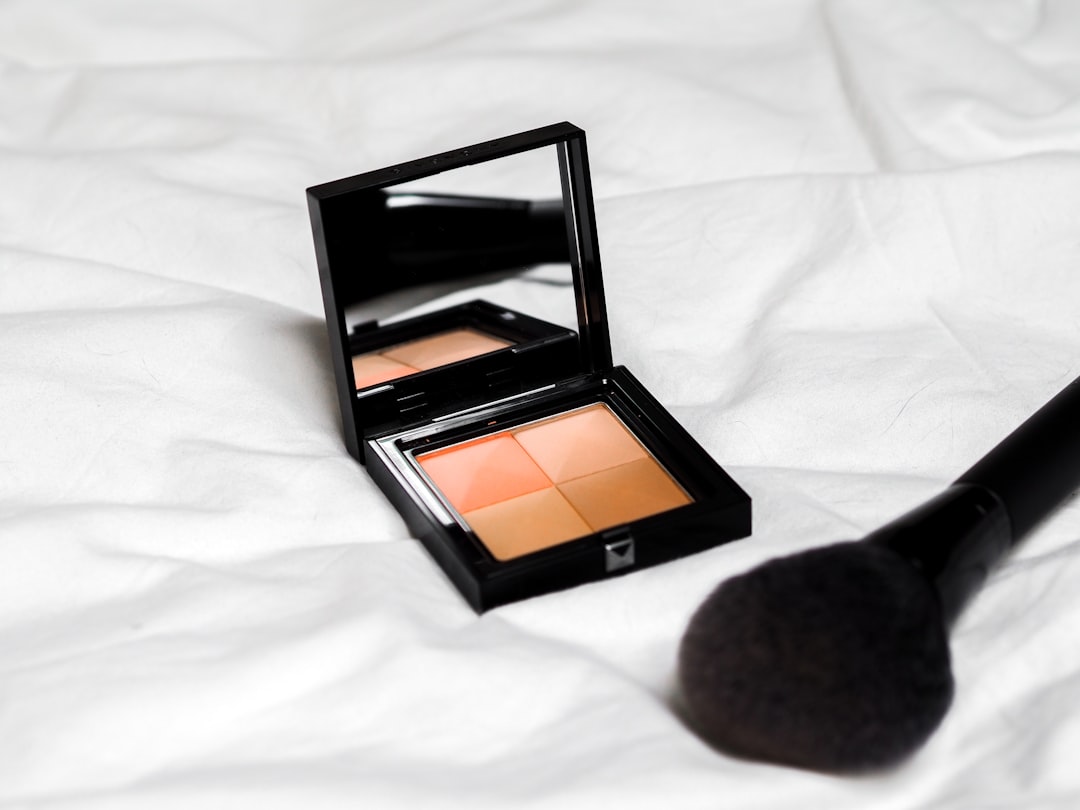
For a flawless finish, choose a brush for precision and a puff for full coverage. Brushes are ideal for targeted application, while puffs excel at overall powder coverage. The right tool depends on your skin type, makeup routine, and the powder formulation you’re using.
!Brush vs Puff Comparison
Key Takeaways
- Brushes offer precision for targeted application (e.g., under eyes, T-zone)
- Puffs provide full coverage with minimal effort (ideal for quick routines)
- Hybrid use combines both tools for optimal results
- Cost and sustainability differ: brushes last longer but may cost more upfront
- Skin type matters: oily skin benefits from brushes; dry skin may prefer puffs
Quick Comparison
Here’s a concise comparison of the powder application tools mentioned in the post:
| Tool | Best for | Key Limitation |
|---|---|---|
| MAC Powder Brush | Soft, natural finish; large areas | Higher cost; requires regular cleaning |
| NARS Powder Brush | Precise, airbrushed finish | Synthetic bristles may not suit all powder types |
| EcoTools Powder Brush | Eco-friendly; budget-friendly | Wash in cool water only (heat damages synthetic heads) |
| Microfiber Puff | Smooth, even full coverage | Less precise for targeted application |
| Latex Puff | Loose powders; minimal waste | Not reusable; environmental impact |
| Velvet Puff | Pressed powders; easy blending | Can absorb too much product if overused |
| DIY Cotton Puff | Customizable; zero-waste | Less durable; inconsistent results |
Understanding Powder Brushes
Powder brushes are essential tools for achieving a flawless finish, offering precision and control when applying powder. With the right brush, you can enhance your natural features, set your makeup, and create a smooth, even base.
Types of Powder Brushes
Powder brushes come in three primary types, each with distinct characteristics:
-
Natural bristles (goat, squirrel, or badger hair):
- Ideal for loose powders and creating a soft, natural finish
- Hold more product but require gentler application to avoid streaks
- Example: MAC 224 Powder Brush
-
Synthetic bristles (Taklon or nylon):
- Better for cream or liquid powders
- More durable and easy to clean
- Example: NARS Powder Brush
-
Hybrid bristles (combination of natural and synthetic):
- Offer precision and softness
- Versatile for multiple powder types
- Example: It Cosmetics Heavenly Luxe Brush
Choosing the Right Brush
Selecting the right brush depends on three key factors:
-
Size and Shape:
- Large, flat brushes: Best for full-face application (e.g., Real Techniques Setting Brush)
- Small, angled brushes: Ideal for targeted areas (e.g., under eyes, nose) (e.g., Sigma F35)
-
Bristle Density:
- Dense bristles: Create buildable coverage (good for oily skin)
- Loose bristles: Provide sheer application (better for dry skin)
-
Handle Comfort:
- Ergonomic handles reduce hand fatigue during long application
- Retractable handles protect bristles during travel
Popular Powder Brush Options
| Brush | Key Feature | Best For |
|---|---|---|
| MAC 224 | Soft, natural bristles | Full-face application |
| NARS Powder Brush | Synthetic bristles, precise tip | Targeted application |
| EcoTools Powder Brush | Eco-friendly, budget-friendly | Sustainable users |
| Real Techniques Setting Brush | Dense bristles for buildable coverage | Oily skin, long-wear makeup |
| Sigma F35 | Small, angled head | Under eyes, nose, contour |
Tips for Using a Powder Brush
-
Application Technique:
- Use gentle, sweeping motions to avoid streaks
- Build coverage gradually (2-3 light layers)
- For oily areas, apply powder in small circles
-
Cleaning and Maintenance:
- Wash weekly with mild soap and warm water
- Reshape bristles after cleaning to maintain shape
- Store in a ventilated brush holder to prevent bacteria growth
-
Environmental Impact:
- Brushes are more sustainable than puffs (last years with proper care)
- Look for eco-friendly brands like EcoTools or Real Techniques
- Consider DIY brush cleaning solutions (e.g., diluted shampoo)
Advanced Techniques
-
“Baking” Method:
- Apply powder with a dense brush (e.g., Beautyblender Powder Brush)
- Let sit for 5-10 minutes, then dust off excess
-
“Stippling” Technique:
- Use a tapered brush to dab powder into creases
- Ideal for matte foundation or contouring
-
Layering with Different Brushes:
- Use a large brush for base application
- Follow with a small brush for setting specific areas
The Role of Powder Puffs
Powder puffs are essential tools for achieving even coverage and a flawless finish with minimal effort. They offer minimal waste and easy blending, making them a staple in many makeup routines.
Types of Powder Puffs
Powder puffs vary in material and function:
-
Latex Puffs:
- Best for loose powders
- Provides minimal waste but not reusable
- Example: Hourglass Veil Puff
-
Velvet Puffs:
- Ideal for pressed powders
- Creates a smooth, airbrushed finish
- Example: Laura Mercier Puff
-
Microfiber Puffs:
- Popular among makeup artists
- Provides smooth, even coverage
- Example: Kevyn Aucoin Puff
How to Use a Powder Puff
-
Application Steps:
- Press puff into powder (don’t swipe to avoid waste)
- Roll puff across skin to pick up product
- Tap off excess to prevent cakeiness
-
Coverage Techniques:
- For full coverage: Press and roll in stippling motions
- For sheer application: Lightly dab and blend edges
-
Edge Cases:
- Sensitive skin: Use 100% cotton puffs (e.g., EcoTools Reusable Puff)
- Dark skin tones: Apply lightly to avoid uneven deposition
- Travel: Use compact puffs with handles (e.g., Tarte Airbrush Puff)
DIY Powder Puffs
Create your own eco-friendly puff with these materials:
- Old t-shirt (cut into circles)
- Cotton fabric (for sensitive skin)
- String or elastic (to secure shape)
Steps:
- Cut fabric into 2-3 inch circles
- Sew edges to prevent fraying
- Fluff and shape to desired density
- Store in a mesh pouch for cleanliness
Comparison Table: Brush vs Puff for Powder
For choosing between a brush and a puff for powder, the decision ultimately comes down to precision, coverage, ease of use, and cost. Below, we break down the four critical criteria with real-world examples and actionable steps.
1. Precision: When Control Matters More Than Speed
Brushes: The Surgeon’s Tool
- Fiber density and shape determine precision:
- Dense, angled heads create narrow, controlled bands (ideal for contouring)
- Fluffy, tapered brushes prevent dragging on mature skin
- Synthetic vs. natural bristles:
- Synthetic: Grips loose powder better (best for oily skin)
- Natural: Holds more product (better for pressed powders)
- Edge cases:
- Mature skin: Use a fluffy, tapered brush (e.g., MAC 224)
- Acne-prone skin: Disinfect synthetic brushes weekly with 70% isopropyl alcohol
Puffs: The Broad-Stroke Artist
- Presses powder over broad areas in one motion
- Best for:
- Pressing powder into liquid foundation (e.g., Laura Mercier Puff)
- Quick touch-ups on oily zones (T-zone, chin)
- Edge cases:
- Sensitive skin: Opt for 100% cotton or hypoallergenic silk
- Travel: Store in a mesh pouch to prevent fiber shedding
Pro Tip: For hybrid precision, use a puff to press powder into the skin, then buff with a brush to soften edges.
2. Coverage: Buildable vs. Instant
Brushes: The Layering Experts
- Loose powders (e.g., Hourglass Veil):
- Use a fluffy brush (e.g., Real Techniques Setting Brush)
- Apply in small circles, building coverage gradually (2-3 layers)
- Pressed powders (e.g., Fenty Beauty Pro Filt’r):
- Pair with dense brushes (e.g., Morphe M439)
- Ideal for full coverage
- Edge cases:
- Flash photography: Check under direct light to avoid streaks
- Large pores: Use a small, flat brush (e.g., Sigma F35) to “stamp” powder
Puffs: The One-Step Wonder
- Compresses powder into skin for a seamless finish
- Best for:
- Liquid foundations (e.g., NARS Light Reflecting)
- Matte finishes (e.g., Huda Beauty Easy Bake)
- Application steps:
- Press puff into powder (don’t swipe)
- Dab onto skin in stippling motion
- Roll puff to blend edges
- Edge cases:
- Dry skin: Prep with a hydrating mist (e.g., MAC Fix+)
- Dark skin tones: Apply lightly to avoid uneven deposition
Pro Tip: For long-wear makeup, combine both: Apply with a puff, then seal with a brush to remove excess.
3. Ease of Use: Skill vs. Simplicity
Brushes: The Steep Learning Curve
- Requires practice to avoid:
- Streaks (uneven pressure)
- Fallout (loose powder)
- Over-application (mask-like finish)
- Beginner-friendly brushes:
- Round, fluffy brushes (e.g., e.l.f. Powder Brush)
- Dual-fiber brushes (e.g., It Cosmetics Heavenly Luxe)
- Advanced techniques:
- “Baking”: Apply with a dense brush, let sit 5-10 minutes, then dust off
- “Stippling”: Use tapered brush to dab powder into creases
Puffs: The Foolproof Option
- No technique needed—just press and go
- Ideal for:
- Beginners
- Quick routines (5-minute “no-makeup makeup”)
- On-the-go touch-ups
- Common mistakes:
- Too much product: Tap off excess
- Dirty puffs: Wash weekly with mild soap
- Edge cases:
- Sweaty hands: Use puffs with handles (e.g., Tarte Airbrush Puff)
- Vegan users: Avoid sponge puffs; opt for cotton or bamboo (e.g., EcoTools Reusable Puff)
Pro Tip: For hybrid ease, use a puff to apply powder, then a clean brush to blend.
4. Cost: Upfront vs. Long-Term Value
Brushes: The Investment Piece
- Price range: $5 (drugstore) to $100+ (luxury)
- Luxury: Hakuhodo J5523 (handmade Japanese brush)
- Mid-range: MAC, NARS, Real Techniques
- Budget: e.l.f., EcoTools
- Lifespan:
- Depends on fiber type, usage, and cleaning
- No manufacturer publishes exact lifespan—treat any claim as a guess
- Maintenance costs:
- Brush shampoo (e.g., Cinema Secrets): $10-$20
- Storage: Ventilated brush holder (e.g., The Container Store): $15-$30
Puffs: The Disposable Option
- Price range: $3 (drugstore) to $25 (luxury)
- Single-use: Latex puffs ($3-$5)
- Reusable: Microfiber or cotton puffs ($10-$25)
- Lifespan:
- Latex puffs: 1-2 uses
- Microfiber puffs: 3-6 months (with proper care)
- Maintenance costs:
- Replacement frequency: Every few months
- Washing: Mild soap and air-drying
Real-World Scenarios: When to Use a Brush vs Puff
Everyday Use
- Brush: Ideal for targeted application (T-zone, under eyes)
- Example: Apply translucent powder (e.g., MAC) precisely where needed
- Puff: Better for overall coverage when in a hurry
- Example: Hourglass Ambient Lighting Powder for a flawless finish
Special Occasions
- Puff: Often better for weddings or photo shoots due to flawless, even coverage
- Brush: Still useful for touch-ups (nose, chin) during the day
Travel
- Compact options:
- Puff: Fits in clutch bags; look for handle-equipped puffs
- Brush: Choose retractable or capped handles to protect bristles
Decision Flowchart:
- Need targeted application? → Use a brush
- Need full coverage? → Use a puff
- Traveling? → Use a compact puff or brush with retractable handle
Environmental Impact
Brushes: The Sustainable Choice
- Why?:
- Reusable for years with proper care
- Cleanable (reduces waste)
- Eco-friendly brands available (e.g., EcoTools, Real Techniques)
- DIY Cleaning:
- Use diluted shampoo or brush cleaner
- Air-dry flat to maintain shape
Puffs: The Disposable Dilemma
- Why?:
- Single-use latex puffs create waste
- Microfiber puffs require frequent replacement
- Eco-Friendly Alternatives:
- Reusable cotton puffs (e.g., EcoTools)
- DIY fabric puffs (zero-waste option)
DIY Eco-Friendly Puff:
- Cut old t-shirt into circles
- Sew edges to prevent fraying
- Fluff and shape
- Store in a mesh pouch
Frequently Asked Questions
Can I use a brush and a puff together?
Yes! Many makeup artists combine both for optimal results:
- Use a brush for targeted application (e.g., T-zone, under eyes)
- Use a puff for full-face setting
- Example: Apply powder with a puff, then seal with a brush for long-wear
How do I clean my powder brush or puff?
- Brushes:
- Wash weekly with mild soap and warm water
- Reshape bristles after cleaning
- Store in a ventilated holder
- Puffs:
- Wipe with a damp cloth after each use
- Wash every 2-3 uses with mild soap
- Air-dry flat to maintain shape
Why are some powder brushes more expensive?
- High-end brushes (e.g., Hakuhodo, Tom Ford) use:
- Premium fibers (natural hair, synthetic blends)
- Precision craftsmanship (handmade bristles)
- Ergonomic designs (comfortable handles)
- Powder puffs are often cheaper because:
- Mass-produced materials (latex, polyester)
- Disposable nature (lower perceived value)
What’s the most eco-friendly option?
- Brushes win for sustainability:
- Reusable for years
- Cleanable (reduces waste)
- Eco-friendly brands:
- EcoTools (recycled materials)
- Real Techniques (durable, long-lasting)
- DIY options:
- Fabric puffs (zero-waste)
- Upcycled brushes (repurpose old brushes)
Conclusion and Recommendation
The choice between a brush and a puff depends on your personal needs, skin type, and makeup routine. Here’s a quick recap:
| Criteria | Brush | Puff |
|---|---|---|
| Precision | ✅ Excellent | ❌ Limited |
| Coverage | ⚠️ Buildable | ✅ Instant, even |
| Ease of Use | ⚠️ Requires practice | ✅ Beginner-friendly |
| Cost | ⚠️ Higher upfront | ✅ Lower upfront |
| Sustainability | ✅ Long-term reusable | ❌ Often disposable |
Final Recommendations:
- For precision and control: Choose a brush (e.g., MAC 224, Sigma F35)
- For quick, full coverage: Choose a puff (e.g., Laura Mercier Puff, EcoTools Reusable Puff)
- For sustainability: Opt for eco-friendly brushes or DIY fabric puffs
- For travel: Pack a compact puff or a brush with a retractable handle
Pro Tip:
For the best of both worlds, keep one brush and one puff in your makeup bag. Use the brush for precision and the puff for quick touch-ups.
!Pro Makeup Artist’s Brush System
Flawless Blending in 5 Minutes: The Pro Makeup Artist’s Brush System for Busy Creators — If you love the precision of a brush but struggle with blending speed—especially for eyeshadow or contour—our Pro Makeup Artist’s Brush System is designed to cut your routine in half. The ergonomic handles and tapered bristles include 1 free bonus resource. Master flawless blending in under 5 minutes
Keep reading
Want to go deeper? Read our guide on Synthetic vs Natural Makeup Brushes: 5 Key Differences.