Clean Makeup App: 5 Best Tools for Non-Toxic Beauty Scanning
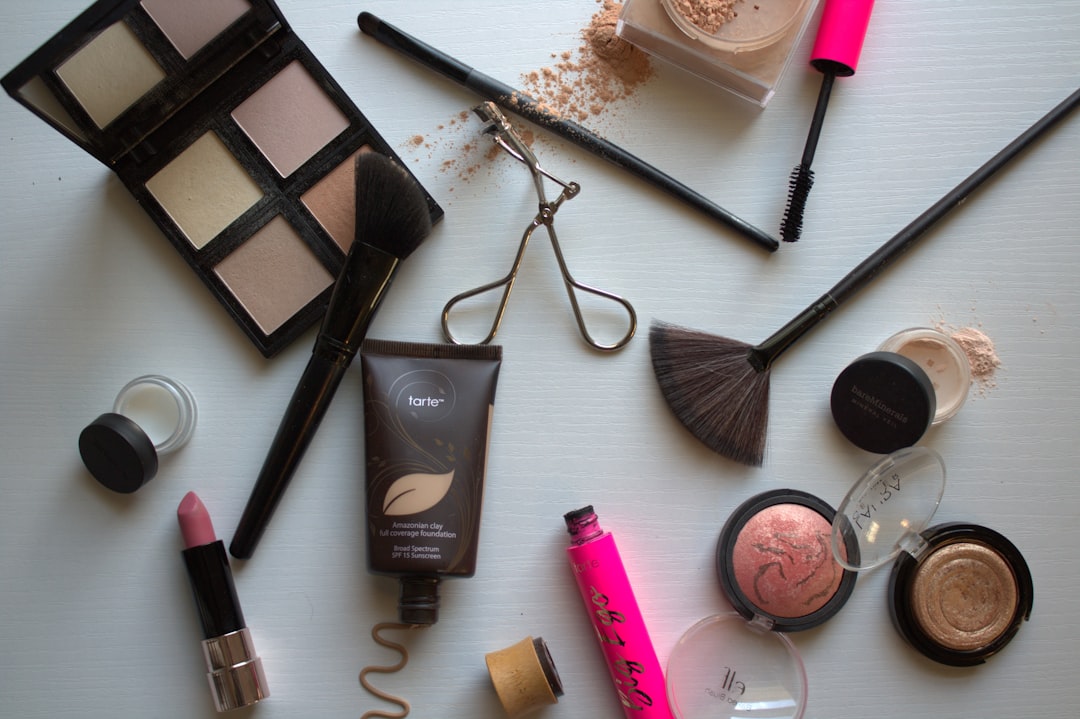
Photo by Amanda Wolbert on Unsplash
We don’t quote prices for third-party products: list prices change often and we can’t verify them for you. Check the vendor’s or retailer’s own current listing.
Key Takeaways
A clean makeup app scans barcodes or ingredient lists to flag toxic chemicals in your makeup, brushes, and blending tools—before you buy. Think phthalates in synthetic bristles or PFAS in sponge coatings. No more guessing.
The Top 5 Apps in 2026
- Think Dirty – Best for in-store brush scans (barcode support + detailed hazard scores).
- EWG Skin Deep – Gold standard for ingredient safety, but no barcode scanning.
- Clearya – Real-time alerts for hidden toxins in brush handles and adhesives.
- Yuka – Simple interface, but misses niche brush brands.
- Detox Me – Focuses on cumulative exposure, not just single products.
Best for brushes/tools? Think Dirty and Clearya win—barcode scanning lets you scan brushes mid-aisle.
Pro tip: Pair app scans with retailer guides like Sephora’s Clean at Sephora section. Double-checking beats relying on one tool alone.
Part of our complete guide: for the full picture, see 25+ Free Procreate Makeup Brushes for Flawless Digital.
Why You Need a Clean Makeup App in 2026
You’re brushing foundation onto your cheeks with what feels like a soft, premium tool—only to learn later that the adhesive holding those bristles together contains phthalates, a chemical group linked to hormone disruption. That’s not paranoia. It’s the reality of modern makeup tools.
A clean makeup app cuts through marketing claims by scanning barcodes or ingredient lists and flagging harmful compounds before they touch your skin.
The Hidden Toxins in Your Makeup Tools
Most of us assume the danger lies in the makeup itself—lead in lipstick, parabens in foundation. But application tools present similar risks. Here’s what can hide inside them:
- Phthalates: Found in glues and flexible plastics binding synthetic bristles to handles.
- PFAS: Used in stain-resistant coatings on brushes and sponges. These “forever chemicals” resist breakdown, persisting in the environment and body.
- Synthetic fragrances: Added to mask chemical odors in synthetic fibers. Fragrance mixtures can hide undisclosed allergens and irritants because individual ingredients often aren’t listed on tool packaging.
Take blending sponges, for example. One user scanned her go-to tool using a clean makeup app and discovered its material contained formaldehyde-releasing preservatives used during manufacturing. The app flagged the issue and highlighted silicone-free, hypoallergenic alternatives instead.
More Than Just Safety: Ethics and Sustainability
Clean makeup apps don’t stop at chemical exposure. They also surface key background details about your tools:
- Mica sourcing: A shiny mineral added to brush handles or synthetic bristles, mica is sometimes linked to unmonitored child labor. Apps like Clearya flag brands lacking transparent supply chains.
- Animal testing: Even if a brush claims to be cruelty-free, some apps look at parent company practices to show whether animal testing occurs anywhere in the corporate family.
- Microplastics: Synthetic brush fibers and sponge coatings shed microplastics during routine washing. Apps like Think Dirty offer microplastic hazard notes for synthetic tools.
The Bottom Line
You wouldn’t buy packaged food without checking the label. Why treat your skin—or your application tools—any differently? A clean makeup app works like a personal guard for your beauty bag.
5 Best Clean Makeup Apps of 2026: Features, Pricing, and Best Uses
Here’s the reality: not all clean makeup apps are built for makeup brushes. Most focus on lipsticks and serums, leaving you to guess whether synthetic bristles contain phthalates or if a sponge carries PFAS-based finishes. Below, we break down five top apps for scanning beauty items, ranked by how well they handle brushes, sponges, and blending tools.
The Comparison Table (What You Came For)
| App | Standout Features | Best For | Key Limitations | Best for Makeup Brushes? |
|---|---|---|---|---|
| Think Dirty | Barcode scanning, curated “clean” shopping section | In-store shopping, quick scans | Check whether your own brush brand is in the catalogue before you rely on it | Worth trying first for tools |
| EWG Skin Deep | Ingredient-level ratings | Ingredient deep dives, research | Built around ingredients rather than finished tools | Only if you already have the ingredient list |
| Clearya | Works while you shop online | Online shopping | Check which retailers it covers in your country | Not brush-specific |
| Detox Me | Simple “safe/unsafe” framing | Travellers, minimalists | Narrow catalogue: check whether your tool is in it | Not brush-specific |
| Yuka | Food and cosmetics scanning | International shoppers | Coverage varies by country: test it on something you already own | Not brush-specific |
Deep Dive: Which App Wins for Makeup Brushes?
Think Dirty: The Brush Scanner You Actually Need
If you buy makeup brushes in-store, an app that scans a barcode is the only kind that helps you at the shelf. What decides whether it is useful to you is narrower than the app’s reputation: scan three tools you already own before you trust it on a fourth you are about to buy.
EWG Skin Deep: The Ingredient Detective
EWG Skin Deep is organised by ingredient rather than by product, which makes it the right tool when you already know the fibre type or the adhesive and want to read up on it — and the wrong one when all you have is a brush in your hand.
When to use it: Before purchasing high-end brush sets or when building a custom toolkit.
Clearya: The Budget Amazon Shopper
Clearya integrates with Amazon, Walmart, and Target as a mobile assistant and browser extension. It screens product pages for toxic coatings or undisclosed adhesives commonly used in budget sponges.
Best for: Buying eco-friendly bamboo brushes or latex-free blending sponges online without guessing.
Detox Me & Yuka: General Safety Scanning
Both are general-purpose safety scanners rather than brush tools. Before you install either for this purpose, search the catalogue for a brush you already own: if it is not there, neither app will help you at the till.
How to Use a Clean Makeup App to Scan Makeup Brushes & Tools
You don’t need a chemistry background to spot toxic compounds in your tools—just a clean makeup app and a few seconds. Here is how to audit your brushes in-store or at home.
Think Dirty: Best for In-Store Makeup Brush Shopping
A barcode scanner is what makes an app usable in a shop aisle rather than at home. Whatever scale the app shows you, read what the score is actually measuring before you treat it as a verdict — and check the ingredient list it is scoring against the one printed on the pack.
Pro tip: coverage is strongest for products sold in North American retail. If an indie tool doesn’t scan, check its material list against the manual search feature.
EWG Skin Deep: Best for Ingredient Deep Dives
EWG’s platform prioritizes direct component analysis over fast shelf scanning. Search the material names (such as “nylon bristles” or “polyurethane sponge”) to see hazard ratings from 1 to 10 along with notes on potential allergens or endocrine active ingredients.
Use this method when evaluating custom or hand-crafted tools that lack standard retail packaging or barcodes.
Clearya: Best for One-Stop Non-Toxic Shopping
Clearya syncs directly with sites like Amazon, Sephora, and Target. When you view a product, it flags harmful binders and suggests verified clean swaps—like phthalate-free synthetic sets or bamboo handles—right on the page.
Yuka: Best for Quick Scans on a Budget
Yuka provides simple “good/medium/poor” color-coded alerts. While less detailed on specialized synthetic materials than EWG, it gives immediate feedback for common drugstore tools when you want a fast decision.
Detox Me: Best for Personalized Non-Toxic Routines
Replacement timing is where these apps are least useful, because it depends on how you wash and dry the tool rather than on what it is made of. A sponge that stays damp between uses is the one to replace early.
Non-Toxic Brush Shopping Checklist
Save this quick guide for your next purchase:
Certifications to look for:
- Leaping Bunny (verified cruelty-free)
- USDA BioPreferred (plant-based materials)
- OEKO-TEX® Standard 100 (textiles tested for harmful substances)
How to Use a Clean Makeup App to Scan Makeup Brushes & Tools
Scanning your application tools takes less than a minute once you know the process. Here is how to interpret app ratings and pick safer brushes in real time.
Step 1: Download and set up
Select an app from our guide—Think Dirty or EWG Skin Deep work best for beauty tools. Set up your profile and enable push notifications for safety alerts and ingredient updates.
Step 2: Scan in-store
Align your phone camera with the product barcode. If the app doesn’t pull up an entry, search using the specific product name and SKU rather than generic terms like “foundation brush.”
If the brush isn’t listed: Use the manual ingredient lookup. Input the raw materials listed on the box—such as handle lacquers, bristle materials, or sponge polymers—to see individual safety scores.
Step 3: Interpret the results
Apps use standard 0–10 hazard scales (0 being the safest):
- 0–3 (Low hazard): Clean choice. Great for daily use.
- 4–7 (Moderate hazard): Use caution. May contain trace phthalates or synthetic fragrances in glues.
- 8–10 (High hazard): Skip it. These ratings point to heavy chemical treatments or unverified raw materials.
Step 4: Find non-toxic alternatives
If your item gets a high hazard score, tap the app’s alternative suggestions tab to find tools made from hypoallergenic materials, untreated bamboo, or medical-grade silicone.
Beyond the App: 3 Expert Tips to Build a Non-Toxic Makeup Brush Collection
A clean makeup app gives you immediate safety data, but smart tool maintenance keeps your collection clean long after you throw away the packaging.
Tip 1: Choose Safe Raw Materials
Opt for high-grade synthetic fibers like Taklon or PBT over animal hair. Animal bristles require chemical washing and tanning treatments to prevent decay, whereas modern synthetic fibers offer hypoallergenic, soft application without chemical treatments. For handles, naturally antimicrobial bamboo or anodized aluminum avoid the softeners used in molded plastics.
Ferrule Tip: Check that the ferrule (the metal ring holding the bristles) is made from stainless steel or aluminum to lower the risk of nickel allergies on sensitive skin.
Tip 2: Rely on Verified Certifications
Look past vague claims like “all-natural” or “pure.” Seek third-party seals such as MADE SAFE or OEKO-TEX® Standard 100, which test finished products for residual solvents, heavy metals, and toxic adhesives.
Tip 3: Clean Your Tools Regularly
Even a non-toxic brush accumulates oil, dead skin cells, and ambient bacteria over time. Wash synthetic brushes weekly with a gentle, fragrance-free cleanser or mild castile soap to keep your skin clear and prolong the life of your tools.
Frequently Asked Questions About Clean Makeup Apps
Are clean makeup apps accurate for brushes and tools?
Yes, when checking raw material lists. Apps like EWG Skin Deep and Think Dirty cross-reference known materials against toxicology databases such as EU CosIng and California’s Prop 65 list. They accurately flag problematic additives like phthalate plasticizers or fluorinated surface treatments whenever material sheets are available.
However, no app can spot post-factory bacteria or unlisted manufacturing contaminants, so routine tool washing remains essential.
Do clean makeup apps work for all types of makeup brushes?
They work best on synthetic brushes because materials like PBT and Taklon follow clear industrial standards. Natural animal hair brushes are harder to rate accurately because processing chemicals and tanning preservatives vary by manufacturer and rarely appear on retail packaging.
Can I use a clean makeup app to scan other beauty tools?
Sponges and puff applicators scan well because they consist of specific polymers like polyurethane foam or silicone. Metal tools like tweezers or lash curlers rarely yield detailed ratings since solid stainless steel presents minimal chemical leaching risk, causing apps to default to a simple low-risk baseline.
What’s the difference between EWG Skin Deep and Think Dirty for makeup brushes?
EWG Skin Deep relies heavily on peer-reviewed scientific studies and regulatory watchlists, offering deep breakdowns for specific raw fibers and glues. Think Dirty focuses on quick retail barcode scans and consumer usability, making it faster for everyday store trips even if its database contains fewer raw industrial ingredients.
Are there free clean makeup apps without scan limits?
Clearya and Yuka both offer free scanning features. EWG’s database is also accessible for free online and through their mobile app, making it simple to research materials without paying for a subscription.
Final Verdict: Which Clean Makeup App Should You Use?
Select the app that fits your shopping style:
For physical store runs, Think Dirty offers the fastest experience. Its barcode engine delivers clear scores in seconds so you can choose non-toxic brushes right off the shelf.
For thorough ingredient research, EWG Skin Deep remains the top resource. Typing material names into its search tool brings up detailed scientific data on binders, synthetic bristles, and surface treatments.
If you buy most of your beauty products online, install Clearya. Its browser integration evaluates listings on major retail sites automatically, warning you about harsh adhesives or undisclosed synthetic treatments before checkout.
By combining quick barcode checks with solid material choices, you can easily build a completely non-toxic tool set that protects your skin every day.
Keep reading
Keep exploring the topic with these related guides: