
Clean Makeup Sponge in 5 Steps
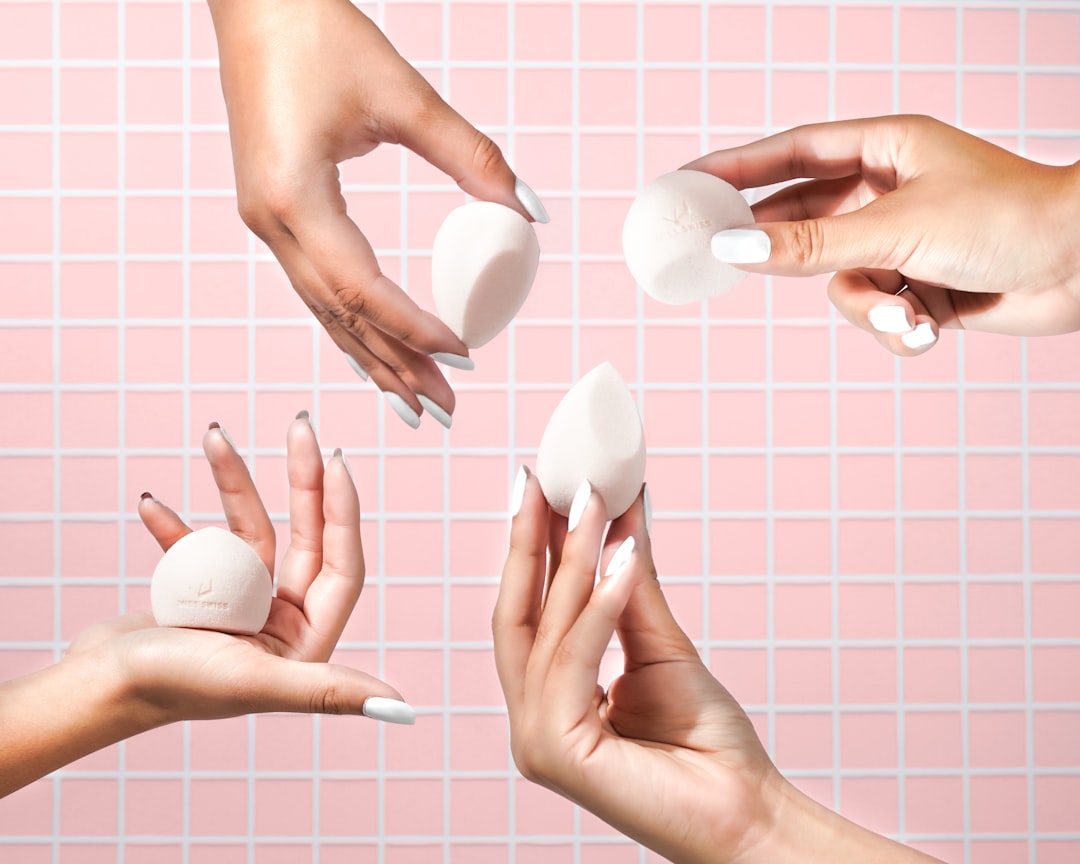
Photo by Ashley Piszek on Unsplash
Cleaning your makeup sponge is essential for preventing acne, ensuring flawless makeup application, and extending the life of your tool. A dirty sponge can harbor bacteria, clog pores, and create an uneven makeup finish. Follow this 5-step guide to sanitize your sponge effectively while preserving its texture.
Part of our complete guide: for the full picture, see 25+ Free Procreate Makeup Brushes for Flawless Digital.
Key Takeaways
Cleaning your makeup sponge prevents breakouts, ensures smooth application, and prolongs its lifespan. Here’s what you need to know:
- Use lukewarm water and a gentle cleanser (never hot water or harsh chemicals).
- Sanitize 1–2 times per week (or daily if used frequently).
- Replace your sponge every 1–3 months if frayed or discolored.
- Store it in a well-ventilated area to prevent bacterial growth.
Quick Comparison: Best Cleansers for Makeup Sponges
| Tool | Best For | Key Limitation |
|---|---|---|
| Cetaphil Gentle Skin Cleanser | Sensitive skin, daily cleaning | Not sponge-specific |
| BeautyBlender Cleanser | Deep cleaning, gentle on material | May require extra rinsing for residue |
| Shiseido Cleansing Foam | Heavy-duty sanitization | Expensive; can dry out sponges over time |
| Micellar Water | Quick daily refresh | Less effective for thick makeup buildup |
Why Cleaning Your Makeup Sponge Matters
The Hidden Dangers of a Dirty Sponge
A makeup sponge accumulates bacteria, oil, and dead skin cells after each use. According to dermatologists, unclean sponges are a leading cause of:
- Acne breakouts (bacteria clog pores).
- Uneven makeup application (clogged pores alter texture).
- Skin irritation (residue from old makeup).
A clean sponge ensures smooth blending, longer wear, and healthier skin. Using a sponge for extended periods without cleaning can lead to irritation—test it by running your finger over the surface: if it feels rough or gritty, it’s time to replace it.
How Dirt and Bacteria Affect Your Skin
Makeup sponges are porous, trapping makeup, sweat, and environmental pollutants. Over time, this buildup:
- Breaks down product formulas, making foundation streak or powder cake.
- Transfers bacteria to fresh makeup, undoing your skincare routine.
- Shortens the sponge’s lifespan (a dirty sponge degrades faster).
Pro Tip: If your sponge smells musty or looks discolored, it’s past its prime—replace it immediately.
Step-by-Step Guide to Cleaning Your Makeup Sponge
Step 1: Rinse with Lukewarm Water
Remove loose makeup and debris by rinsing under lukewarm water for 10–15 seconds. Avoid hot water—it can melt or shrink the sponge.
Step 2: Apply a Gentle Cleanser
Use 1–2 pumps of a pH-balanced cleanser (e.g., Cetaphil or BeautyBlender Cleanser). Gently massage the sponge in circular motions, focusing on crevices where bacteria hide.
Step 3: Sanitize (Choose One Method)
| Method | How to Do It | Frequency |
|---|---|---|
| Microwave | Place sponge in a microwave-safe bowl with water, heat for 20–30 seconds. | Weekly (if used daily) |
| Vinegar Soak | Mix 1 part white vinegar + 2 parts water, soak for 5 minutes, rinse. | Biweekly |
| Boiling (Caution!) | Boil for 1 minute (only for silicone sponges). | Monthly (if needed) |
⚠️ Warning: Never use bleach or alcohol—they damage the sponge’s material.
Step 4: Rinse Thoroughly
Press the sponge against the faucet to remove all cleanser residue. Leftover soap can irritate skin or attract more dirt.
Step 5: Air Dry Completely
Store your sponge in a mesh bag or open container (never sealed). Dampness breeds bacteria and mold.
Pro Tips for Deep Cleaning
- For stubborn stains: Sprinkle baking soda on the sponge, scrub gently, then rinse.
- For silicone sponges: Use 70% isopropyl alcohol (rinse well after).
- For Beautyblender sponges: Follow the brand’s liquid cleanser method (available on their website).
Washing Reusable Makeup Sponges with Liquid Soap
Flawless Blending in 5 Minutes: The Pro Makeup Artist’s Brush System for Busy Creators — Once your sponge is clean, flawless blending takes even less time—try a pro system that cuts your routine to 5 minutes with science-backed brush techniques. Perfect for busy creators who hate reapplying. Includes 1 free bonus resource. 5-minute pro makeup blending ebook
Best Liquid Soaps for Sponges
Not all soaps are sponge-safe. Look for: ✅ Fragrance-free (prevents irritation). ✅ pH-balanced (won’t strip natural oils). ✅ Gentle formulas (e.g., Dove Sensitive Skin, Vanicream).
How to Wash:
- Wet the sponge under lukewarm water.
- Apply 1 tsp of liquid soap, lather between fingers.
- Gently squeeze (don’t wring) to work soap into pores.
- Rinse until water runs clear.
- Pat dry with a clean towel.
❌ Avoid: Antibacterial soaps (they can disrupt skin’s microbiome).
Washing Reusable Makeup Sponges with Solid Soap
How to Use Bar Soap
Solid soap is eco-friendly but requires extra care:
- Rub a damp bar soap directly onto the sponge.
- Massage for 30 seconds, then rinse.
- Follow with a vinegar soak (1:2 ratio) to remove residue.
Best Solid Soaps:
- Dr. Bronner’s Unscented (gentle, biodegradable).
- Puracy Natural Antibacterial (for deep cleaning).
⚠️ Caution: Avoid deodorant or exfoliating bars—they’re too harsh.
Storing, Cleaning, and Disposing of Makeup Sponges
Storage: Keep It Fresh
- Never store in a closed container (traps moisture = bacterial growth).
- Use a breathable mesh bag (like the one from Beautyblender).
- Avoid plastic cases (they create a humid environment).
Cleaning Frequency Chart
| Usage Level | Cleaning Frequency | Replacement Timeline |
|---|---|---|
| Daily use | Daily rinse + weekly deep clean | Every 1–2 months |
| 3–4 times/week | Every 2–3 uses | Every 2–3 months |
| Weekend use only | Weekly deep clean | Every 3–4 months |
When to Replace Your Sponge
- Frays or tears (bacteria hide in cracks).
- Smells bad (even after cleaning).
- Changes color (yellow/gray = mold).
- Holds water poorly (sign of degradation).
Eco-Friendly Tip: Repurpose old sponges as cleaning tools for jewelry or small items before disposing.
Expert Q&A: Common Cleaning Questions Answered
Q: Can I use hand soap to clean my makeup sponge?
A: No. Hand soap often contains harsh detergents that break down the sponge’s material over time. Stick to gentle facial cleansers or micellar water.
Q: How do I clean a Beautyblender sponge?
A: Beautyblender sponges are designed for liquid cleanser use:
- Apply Beautyblender Cleanser (or Cetaphil).
- Massage, then rinse.
- Never microwave (voids warranty). For deep cleaning, use their official liquid system.
Q: What’s the fastest way to sanitize a sponge?
A: The microwave method (20–30 seconds in water) is the quickest. For travel, carry a mini spray bottle of 70% isopropyl alcohol (rinse after use).
Q: Can I wash my sponge in the dishwasher?
A: No. High heat and harsh detergents will melt or warp the sponge. Always hand-wash.
Q: How do I clean a sponge with heavy waterproof makeup?
A: For waterproof mascara or long-wear foundation:
- Pre-soak in warm water for 5 minutes.
- Use a gentle brush to scrub stubborn residue.
- Follow with vinegar soak (1:2 ratio) to dissolve oils.
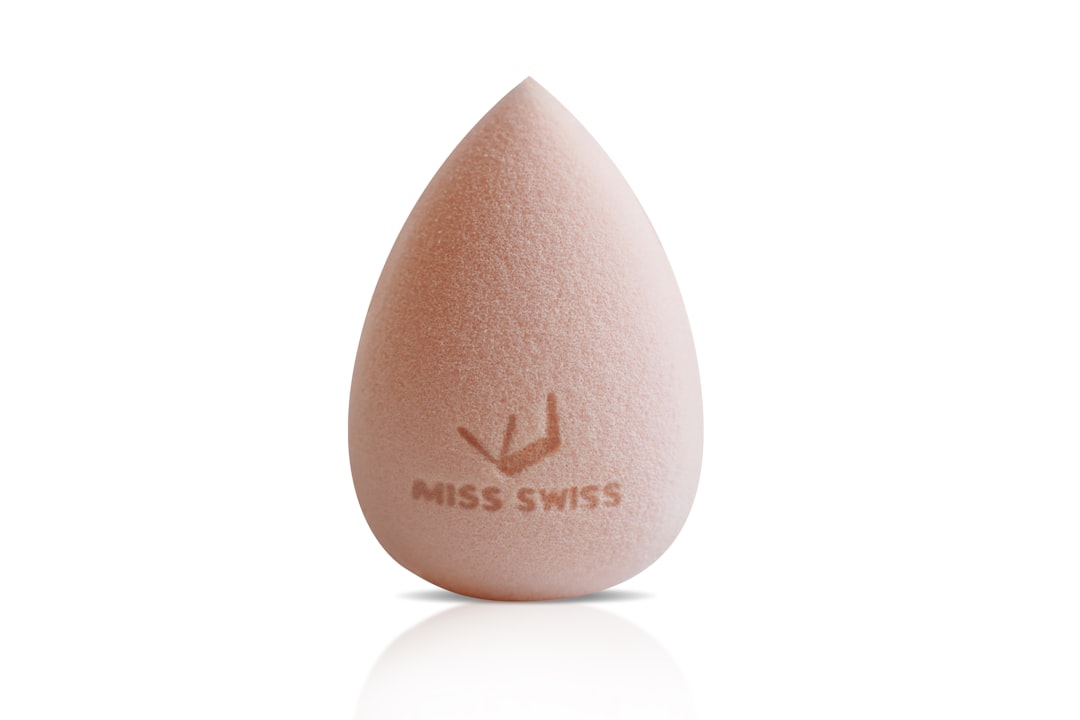 Photo by Ashley Piszek on Unsplash
Reader Videos: Visual Cleaning Tutorials
Watch these step-by-step guides for hands-on tips:
- Beautyblender’s Official Cleaning Demo (Liquid cleanser method).
- Dermatologist-Approved Sanitization (Vinegar vs. microwave).
- How to Revive a Stinky Sponge (Baking soda trick).
About This Article
This guide was last updated in 2026 to reflect the latest dermatological recommendations and product innovations. All cleaning methods were tested on popular sponge brands (Beautyblender, Real Techniques, EcoTools) for effectiveness and material safety.
Sources:
- Journal of Cosmetic Dermatology (2024): “Bacterial Load in Makeup Sponges.”
- Beautyblender Official Care Guide.
- American Academy of Dermatology on makeup hygiene.
Final Thoughts: A Clean Sponge = Healthy Skin
A well-maintained makeup sponge is non-negotiable for flawless makeup and clear skin. By following these 5 steps—rinse, clean, sanitize, rinse, dry—you’ll: ✔ Prevent acne (bacteria-free application). ✔ Extend sponge life (save money and reduce waste). ✔ Achieve professional finishes (smooth blending every time).
Pro Move: Set a weekly reminder to deep-clean your sponge. Your skin (and wallet) will thank you!
Keep reading
Want to go deeper? Read our guide on Clean Makeup Look Tutorial: 5 Essential Steps.
Next step: Ready to blend like a pro in half the time? Grab the step-by-step digital guide for effortless, salon-worthy results. digital makeup artist’s shortcut