10 Iconic 80s Makeup Brushes & How to Use Them Like a Pro (2026)
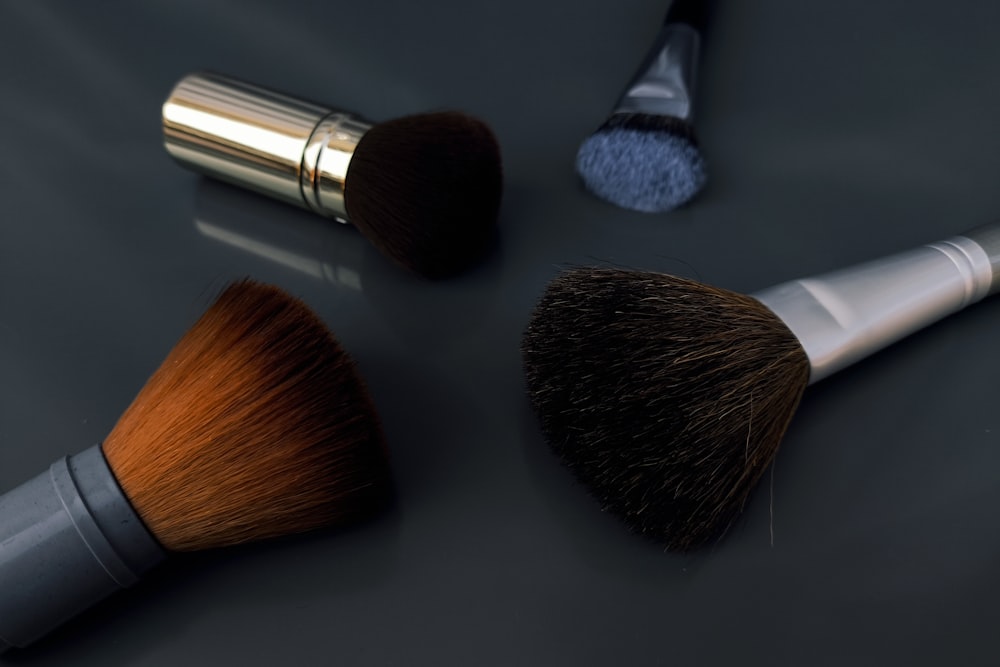
Photo by Anna Evans on Unsplash
We don’t quote prices for third-party products: list prices change often and we can’t verify them for you. Check the vendor’s or retailer’s own current listing.
Key Takeaways
The 80s weren’t just about neon spandex—they were the golden age of bold, angular makeup brushes built for drama. Think dense goat-hair domes for blush, squirrel-hair fans for shimmer, and razor-sharp angled liners that could carve cheekbones like a sculptor. These tools weren’t just functional; they were weapons for the era’s signature looks—think Madonna’s frosted lids or Pat Cleveland’s razor-sharp contour.
Here’s what you need to know:
- 10 iconic 80s brushes still rule today: the fan brush (for blush or highlighter), angled liner (for graphic wings), and stippling brush (for airbrushed eyeshadow) are just the start.
- Materials made the magic: Vintage brushes relied on natural hair—squirrel for softness, goat for density—while modern dupes (like Sigma’s F80 or Morphe’s M433) swap in cruelty-free synthetics.
- Pro techniques matter: Circular motions for blush, stippling for eyeshadow, and Madonna’s trick—tapping a fan brush loaded with highlighter along the brow bone for that 80s glow.
- Restoration hack: A 10-minute soak in vinegar + warm water revives vintage bristles (more on this in the care guide).
Skip the flimsy modern brushes that shed after a month. The 80s built theirs to last—and in 2026, they’re back for a reason.
Part of our complete guide: for the full picture, see 25+ Free Procreate Makeup Brushes for Flawless Digital.
Quick Comparison
Here’s a snapshot of the top 80s-inspired makeup brushes and their modern equivalents:
| Tool | Best for | Key Limitation |
|---|---|---|
| Morphe M439 Duo Fiber Fan Brush | Madonna-style blush application | Duo-fibre heads deposit less per pass — build the colour slowly |
| Chikuhodo Z-10 Fan Brush | High-end, highlighter/blush diffusion | Expensive; requires delicate care |
| Real Techniques Sculpting Brush | Princess Diana-style contouring | Check the head width against the area you contour: a wide head is hard to place |
| Wayne Goss #14 Contour Brush | Sharp, angled contour definition | Higher price point for synthetic/blend bristles |
| Sigma F80 Flat Kabuki | Cyndi Lauper-style neon eyeshadow | Dual-fiber design can shed if not cared for properly |
| Morphe M458 Stippling Brush | Budget-friendly stippling | Hot water is what splays a stippling head — wash it cool |
| IT Cosmetics Heavenly Luxe Kabuki | 80s-style full-coverage foundation | Bulky shape may be harder to maneuver in small areas |
Why 80s Makeup Brushes Are Making a Comeback in 2026
The 80s didn’t just give us leg warmers—they gave us brushes built for drama. And in 2026, they’re back with a vengeance. Blame nostalgia, blame the resurgence of bold makeup trends, or blame the fact that modern brushes just can’t replicate the precision of a 1985 MAC #187 Duo Fibre Brush when you’re trying to diffuse blush like a sunset. Whatever the reason, vintage 80s brushes are solving problems today’s tools can’t.
The Nostalgia Machine Is Running Hot
Social media has reignited love for 80s aesthetics. Hashtags like #80sMakeup showcase creators swirling goat-hair blush brushes in slow motion or recreating Madonna’s 1985 shimmer with a squirrel-hair fan brush. The trend isn’t just about the aesthetic—it’s about technique. A 1987 Trish McEvoy #15 Angled Contour Brush doesn’t just apply bronzer; it carves it. Modern brushes? They blend. 80s brushes sculpt.
Celebrity makeup artists are leading the charge. Pat McGrath’s team has hinted at a limited-edition collection of reissued 80s shapes, citing the dense, natural-fiber bristles as the secret to her signature “glazed” skin looks. Even Euphoria’s makeup boom played a role. The show’s graphic eyeliner and frosted lip trends renewed interest in angled liner brushes (like the 1983 Chanel #30).
These Brushes Solve Modern Problems
Modern makeup is all about precision—graphic liners, cut creases, and baked contour. But most contemporary brushes are designed for speed, not artistry. Enter the 80s.
- Angled brushes (like the 1986 MAC #263) are sharper than today’s
The 10 Most Iconic 80s Makeup Brushes (And Their Modern Equivalents)
The 80s weren’t just about big hair and bigger shoulder pads—they were the decade that gave us makeup brushes built for drama. These tools weren’t just functional; they were sculptural, designed to create the sharp contours, bold blush, and electric eyeshadow that defined the era. Below, we’re breaking down the 10 most iconic 80s brushes, how the stars used them, and where to find their modern equivalents—because if you’re chasing that Madonna glow or Debbie Harry edge, you’ll need the right tools.
The Fan Brush: The Secret to Madonna’s Blush
Madonna’s 1980s blush wasn’t just applied—it was sculpted. The secret? A dense, wide fan brush, typically made from squirrel or goat hair, that let her sweep coral or fuchsia powder from the apples of her cheeks up toward her temples in one fluid motion. Unlike today’s fluffy fan brushes (which are often used for highlighter), the 80s version was stiffer, with a flat profile—perfect for packing on pigment without fallout.
How to use it like Madonna:
- Dip the brush into blush, tap off excess, then press (don’t swipe) the color onto the apples of the cheeks.
- Sweep upward in a C-shape toward the hairline, fading as you go. The goal? A sun-kissed, windblown flush that looks like you’ve just stepped off a yacht in Saint-Tropez.
- For extra drama, layer a peachy cream blush (like Ben Nye’s Crema Color) underneath the powder for a dewy, lived-in effect.
Angled Contour Brush: The Power Behind Princess Diana’s Cheekbones
Princess Diana’s chiseled cheekbones weren’t just genetics—they were the work of an angled contour brush with a razor-sharp edge. The 80s version was typically goat hair, cut at a 45-degree angle, and designed to carve out hollows with surgical precision. Unlike today’s fluffy contour brushes, these were firm and flat, built to deposit cool-toned powder (like MAC’s Sculpting Powder in “Bone”) in a single, deliberate stroke.
How to use it like Diana’s makeup artist:
- Suck in your cheeks to find your natural hollows.
- Dip the brush into contour powder, tap off excess, then press (not drag) the color into the hollows.
- Blend upward toward the ears with a small circular motion—80s contour wasn’t about subtlety, but it was about seamless transitions.
- For extra definition, use the tip of the brush to darken the temples and jawline.
Stippling Brush: How Cyndi Lauper Got Her Neon Eyeshadow
Cyndi Lauper’s electric blue and hot pink eyeshadow didn’t just sit on her lids—it glowed. The tool behind the magic? A stippling brush, originally designed for cream-to-powder applications but repurposed by 80s artists for layering neon pigments. The brush had a dual-fiber design: short, stiff bristles to pick up product and longer, softer ones to diffuse it. The result? High-impact color that didn’t crease or fade.
How to use it like Cyndi’s team:
- Apply a cream eyeshadow base (like NYX’s Jumbo Pencil in “Milk”) to the lid.
- Dip the stippling brush into loose neon pigment (try Kryolan’s UV Neon Powders), then press the color onto the lid in a stippling motion—this builds intensity without fallout.
- Use the longer bristles to blend the edges upward into the crease.
- For extra staying power, spritz the brush with MAC Fix+ before applying.
The Kabuki Brush: The Tool That Defined 80s Foundation
The 80s weren’t about “no-makeup makeup.” They were about full-coverage, matte foundation that lasted through 12-hour dance marathons—and the kabuki brush was the MVP. Unlike today’s fluffy powder brushes, the 80s kabuki was short, dense, and dome-shaped, made from goat or synthetic fibers, and designed to buff liquid or cream foundation into the skin for a flawless, airbrushed finish.
How to use it like an 80s pro:
- Dispense liquid foundation (like Estée Lauder’s Double Wear) onto the back of your hand.
- Swirl the kabuki brush into the product, then stipple it onto the skin in small circles, starting at the center of the face and working outward.
- For extra coverage, press the brush into the skin to melt the product into pores.
- Set with translucent powder (like Laura Mercier’s Translucent Loose Setting Powder) using the same brush for a seamless finish.
Angled Liner Brush: The Key to Debbie Harry’s Winged Liner
Debbie Harry’s winged liner wasn’t just sharp—it was architectural. The secret? An angled liner brush with a micro-fine tip, typically made from synthetic taklon or sable hair. Unlike today’s felt-tip liners, the 80s version was firm, with a slight bend, allowing for precision without drag. The best ones (like those from Trish McEvoy) had a chiseled edge that could create a hairline-thin wing or a bold graphic line with equal ease.
How to use it like Debbie’s makeup artist:
- Dip the brush into gel liner (like Bobbi Brown’s Long-Wear Gel Eyeliner) and wipe off excess on the rim of the pot.
- Start at the inner corner of the eye and draw a thin line along the lash line, thickening as you reach the outer corner.
- For the wing, imagine a diagonal line extending from the outer corner of your eye to the end of your eyebrow—draw a small flick along this line, then connect it back to the lash line.
- Use the tip of the brush to clean up any mistakes with a cotton swab dipped in micellar water.
The Blending Brush: How 80s Artists Created Smoky Eyes
The 80s smoky eye wasn’t just dark—it was layered, diffused, and dimensional, with charcoal, plum, and deep navy blending smoothly into the crease.
80s Makeup Brushes vs. Modern Brushes: What’s Changed?
The 80s gave us brushes built for bold strokes—think dense goat-hair domes and squirrel-hair fans—while today’s tools prioritize precision, hygiene, and synthetic alternatives. The core difference? Vintage brushes were designed for drama; modern ones are engineered for control.
Materials: Natural vs. Synthetic
80s brushes relied on animal hair—goat for blush, squirrel for shimmer, and badger for blending. These fibers held pigment like a sponge, creating the era’s signature diffused, high-impact looks. Modern brushes, however, lean toward Taklon or nylon, which mimic natural hair’s performance without the ethical concerns. Brands like Sigma Beauty and Morphe now offer cruelty-free dupes that rival vintage quality—minus the shedding.
Shapes: Angular vs. Ergonomic
The 80s loved sharp angles—think the razor-edged blush brushes Madonna used to sculpt her cheekbones or the flat, paddle-shaped eyeshadow brushes that packed color onto lids. Today’s brushes favor rounded, tapered edges for seamless blending. A prime example? The MAC 217, a cult favorite with a fluffy dome that softens harsh lines. But here’s the catch: vintage brushes still win for graphic looks (like cut creases or geometric blush) because their stiff bristles hold shape under pressure.
Techniques: Layered vs. Layer-Free
80s makeup was all about building layers—primer, cream blush, powder, then more powder. Brushes like the Revlon Blush & Contour Brush (a 1987 staple) were dense enough to push product into skin without disturbing the layers beneath. Modern brushes, like the Real Techniques Miracle Complexion Sponge, are designed for sheer, skin-like finishes, blending cream and powder in one step. If you’re chasing the 80s’ high-coverage glam, vintage brushes are your best bet. For a natural, “no-makeup” look? Go modern.
When to Choose Vintage (And When to Skip It)
Pick 80s brushes if:
- You love bold, high-impact makeup (think graphic eyeliner or sculpted blush).
- You’re okay with animal hair and hand-washing brushes to prevent bacterial buildup.
- You want durability—many 80s brushes still hold up after 40 years.
Opt for modern brushes if:
- You prioritize hygiene (synthetics resist bacteria better than natural fibers).
- You need cruelty-free options (most vintage brushes use animal hair).
- You prefer low-maintenance tools (modern brushes often have machine-washable handles).
Final verdict: For most makeup lovers, a hybrid approach works best. Use vintage brushes for bold, artistic looks and modern ones for everyday wear.
How to Care for Vintage 80s Makeup Brushes (Expert Tips)
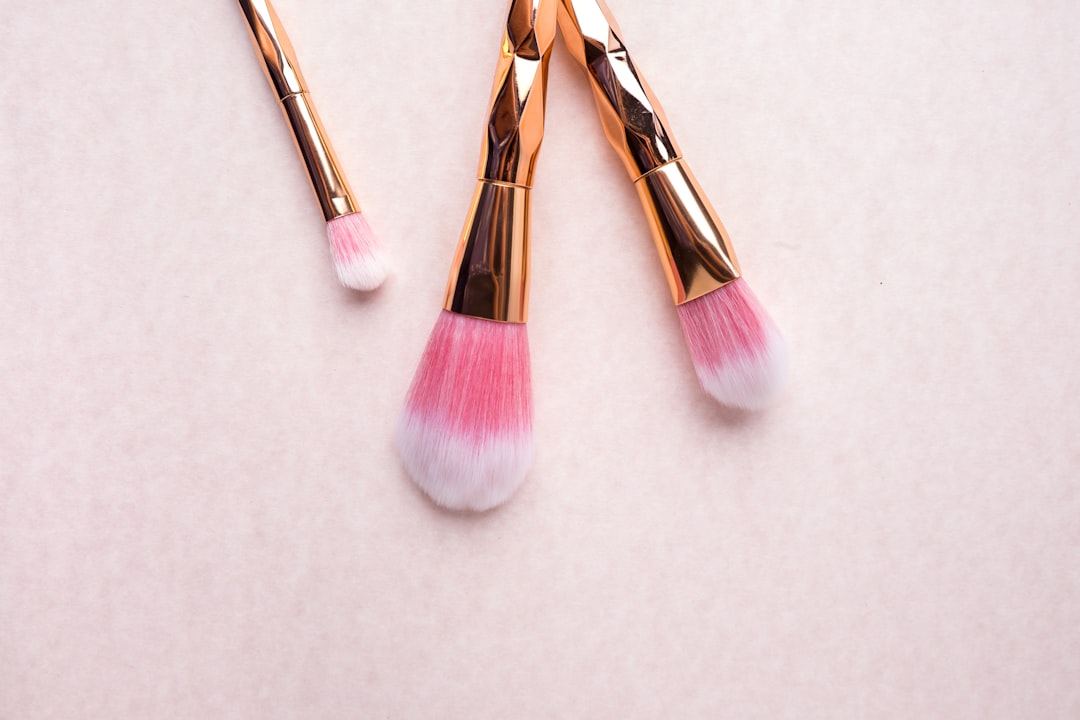 Photo by Hazel Olayres on Unsplash
Vintage 80s makeup brushes aren’t just collectibles—they’re precision tools that demand proper care to last another 40 years. Unlike modern synthetic brushes, their natural hair bristles (goat, squirrel, or pony) are delicate, prone to drying out, and vulnerable to mold if stored improperly. Treat them right, and they’ll outperform even the priciest new brushes.
Clean Without Destroying the Bristles
Skip the harsh soaps and never submerge the ferrule (the metal part). Instead, swirl the bristles in lukewarm water with a drop of mild shampoo—like Baby Dove Sensitive Skin—for 30 seconds. Rinse under a gentle stream, pressing (never rubbing) the bristles between your fingers to remove pigment. Pat dry with a microfiber towel, then reshape the head and lay flat on a clean surface. Pro tip: If you’re cleaning a Madonna-style fan brush, use a wide-tooth comb to detangle the bristles post-wash—this prevents splaying.
Revive a Dried-Out Brush in 10 Minutes
Stiff, crusty bristles? Don’t toss it. Soak the bristles (not the ferrule!) in extra-virgin olive oil for 10 minutes—this restores moisture without stripping natural oils. Follow with a shampoo wash, then reshape and dry flat. Avoid conditioner—it coats the bristles and reduces pickup.
Store Like a Pro (Humidity Is the Enemy)
Vintage brushes hate moisture. Store them in a cool, dry drawer with silica gel packs (like Dry & Dry 5-gram packets) to prevent mold. Never upright in a cup—this warps the bristles and loosens the glue. For long-term storage, wrap the heads in acid-free tissue paper to maintain shape. If you’re displaying them, keep them away from direct sunlight (UV degrades natural hair).
Know When to Say Goodbye
Even the best 80s brushes have a shelf life. Replace if:
- Bristles shed like a golden retriever in summer (a few stray hairs
Where to Buy Authentic 80s Makeup Brushes (And What to Avoid)
The best place to score authentic 80s makeup brushes? Etsy and eBay—but not all listings are created equal. Skip the “vintage-inspired” knockoffs and focus on sellers with detailed photos of the ferrule, bristle stamps, and handle engravings.
Red Flags: What to Avoid
Moldy bristles, loose ferrules, or labels that scream “1980s” in Comic Sans? Hard pass. Authentic 80s brushes were built to last, so if the bristles shed like a cheap Halloween wig, walk away. Another dealbreaker: plastic ferrules—most 80s brushes used nickel-plated metal or brass, not the flimsy plastic common in modern fakes.
How to Spot the Real Deal
Check the ferrule first: 80s brushes often have stamped logos (like MAC’s early “M” or Trish McEvoy’s “TM”) or engraved numbers (batch codes). Bristles should feel dense and springy—squirrel hair (soft, tapered) or goat hair (firm, rounded) were staples. For extra assurance, ask for a photo of the brush under UV light: authentic vintage brushes often fluoresce due to older dye formulas.
Modern Brands Keeping the 80s Alive
If hunting for vintage feels like a treasure quest, Sigma’s F80 Flat Kabuki and Morphe’s M439 Duo-Fiber Blush Brush mimic the bold, angular shapes of 80s brushes without the hassle. For a luxe
Final Thoughts: Which 80s Brush Should You Try First?
If you’re dipping into 80s makeup brushes, start with the fan brush—it’s the easiest to master and instantly upgrades your blush or highlighter game. For bold, graphic looks, grab an angled liner brush; for everyday polish, a kabuki brush is your best friend.
Best for Beginners: Fan Brush or Stippling Brush
The fan brush is foolproof. Madonna famously used one to sweep blush across her cheekbones in the Like a Virgin era—just load it lightly with powder, tap off excess, and sweep upward for a soft, diffused glow. Stippling brushes (like the iconic MAC 187) are another great intro; their dual-fiber bristles blend liquid or cream products smoothly, even for beginners.
Best for Bold Looks: Angled Liner Brush or Lip Brush
Want sharp wings or precise lip lines? The angled liner brush (think Bobbi Brown’s original) is your tool. Pair it with a gel liner for 80s-inspired graphic eyes. For lips, a lip brush (like Clinique’s #15) lets you define edges with retro precision—essential for that Dynasty pout.
Best for Everyday Use: Kabuki Brush or Blending Brush
A kabuki brush (like Shiseido’s classic) is a daily workhorse—use it for powder, bronzer, or even buffing in foundation. For eyes, a fluffy blending brush (such as Lancome’s #22) softens harsh lines without the fuss of modern tapered designs.
Where to Start
Pick one brush to experiment with. Try the fan brush for blush—it’s forgiving, iconic, and delivers that signature 80s flush in seconds. Once you’re hooked, expand your collection. The 80s weren’t about subtlety, and neither should your brush game.
Keep reading
Keep exploring the topic with these related guides: