When to Replace Makeup Brushes: 5 Signs (2026)
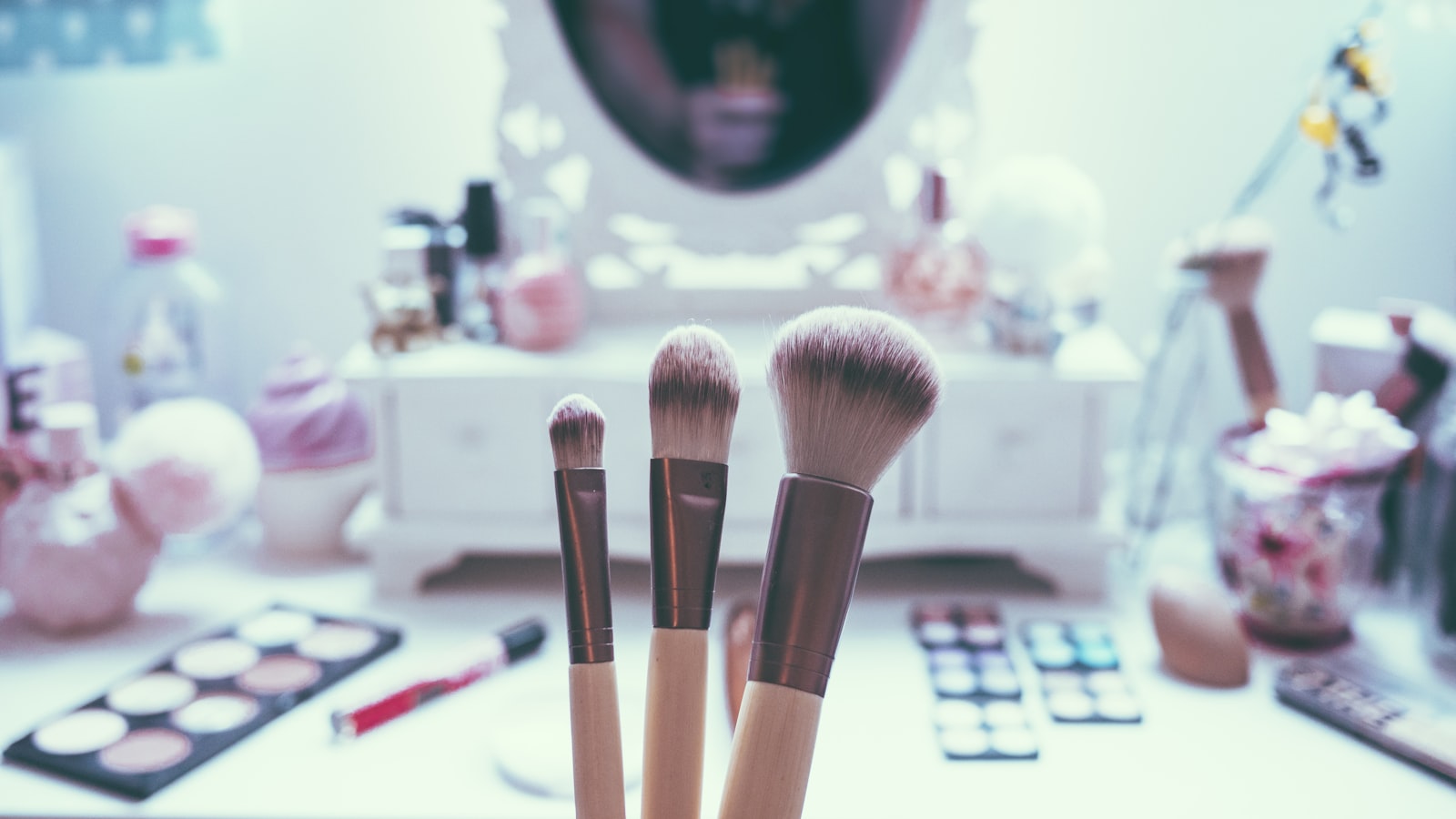
Photo by Jamie Street on Unsplash
We don’t quote prices for third-party products: list prices change often and we can’t verify them for you. Check the vendor’s or retailer’s own current listing.
Key Takeaways
Replace your makeup brushes every 1–3 years or when they show signs of wear like fraying, shedding, or discoloration. Cleanliness and performance should guide your decision.
Part of our complete guide: for the full picture, see 25+ Free Procreate Makeup Brushes for Flawless Digital.
Understanding Makeup Brush Wear and Tear
A makeup brush’s lifespan depends on material quality, how often you use it, and how well you clean it. Nobody publishes a figure you can hold them to, and the spread between a well-kept brush and a neglected one is enormous — which is why the signs below beat any timeline. Small habits, like how you store or hold your brushes, make a big difference.
The materials matter most. Natural fibers like goat or squirrel hair hold powder well but are fragile. Sable and other soft natural hair sheds sooner when it is washed very frequently or cleaned with alcohol, which strips the fibre. Synthetic fibres, usually nylon or taklon, tolerate washing better and hold their shape longer. Some brands, like Morphe, blend both materials for a balance of durability and performance.
Factors Affecting Brush Life
Material sets the baseline, but how you use and clean your brushes speeds up or slows down wear.
-
Daily vs. occasional use:
- A foundation brush used twice daily is the first to go: watch for the bristles splaying or losing their shape.
- An eyeshadow brush used weekly could last 5+ years with less product buildup.
- Brushes used for cream products degrade faster because oils break down adhesives, so a dense complexion brush used daily with creams will need replacing sooner than the same brush used with powder.
-
Cleaning habits:
- Frequency: Brushes used with liquid or cream products should be cleaned every 7–10 uses to prevent bacteria. Powder brushes can go 2–3 weeks between washes.
- Method:
- Gentle cleansers like Cinema Secrets Brush Cleaner or Dr. Bronner’s Castile Soap preserve bristles.
- Harsh chemicals like rubbing alcohol or undiluted vinegar can make synthetic fibers brittle and cause natural fibers to shed.
- Hot water softens the adhesive that holds the bristles in the ferrule and curls natural fibers. Wash with lukewarm water.
-
Storage conditions:
- Storing brushes upright prevents bristles from bending, but horizontal storage can cause permanent splaying.
- High humidity speeds up bacterial growth. Brushes stored in a bathroom may develop mold within 3–6 months, while those kept in a climate-controlled space last longer.
- Travel brushes often degrade faster because they’re packed tightly, causing bristles to fray at the base.
When to Replace: Signs to Watch For
Not all brush damage is the same. Here’s how to decide if a brush needs replacing:
- Check the bristles:
- Shedding: If a brush loses 5+ bristles per use, it’s time to retire it. Steady bristle loss means the adhesive in the ferrule has failed.
- Fraying/splaying:
- Powder brushes should have a uniform, rounded shape. If the bristles look split or uneven, they’ll apply product patchily.
- Precision brushes like angled liners must keep a sharp tip. If the tip flattens, it is no longer precise.
- Stiffness: Natural hair brushes should feel soft. If they become crunchy or wiry, the fibers are damaged.
- Odor: A sour or musty smell means bacteria, even if the brush looks clean. Brushes used with creams and skincare are the worst offenders.
- Consider how often you use it:
- Daily use: Replace foundation or concealer brushes every 1–2 years, powder brushes every 2–3 years, and eyeshadow brushes every 3–5 years.
- Weekly use: a brush you reach for once a week outlasts the same brush used daily by a wide margin.
- Dual-fiber brushes can degrade faster because the two bristle types wear at different rates.
- Evaluate your cleaning routine:
- If you clean weekly with gentle soap, brushes may last 2–3 times longer than average.
- If you use alcohol-based sprays daily, expect a shorter lifespan.
- If you never clean your brushes, replace them every 6–12 months due to bacterial risks.
The Cost of Low-Quality Brushes
Cheap brushes don’t just wear out faster—they affect your makeup and skin.
-
Makeup application:
- Low-quality brushes often have uneven bristle density, leading to streaky foundation or patchy blush.
- High-quality brushes like the Hakuhodo J5523 or Chikuhodo Z-10 have hand-tied bristles that distribute product evenly.
-
Skin health:
- Bacteria in unclean brushes can cause acne, rosacea, or infections.
- Shedding bristles can irritate eyes or skin. The Real Techniques Expert Face Brush has a secure ferrule, but cheaper versions often shed bristles that scratch eyelids or clog pores.
Pro Tips to Extend Brush Life
- Pre-cleaning: Use a brush guard or cling wrap to reshape brushes after washing. This prevents splaying in storage.
- Deep cleaning: Once a month, soak brushes in a vinegar-water solution (1:3 ratio) for 10 minutes to dissolve buildup. Bobbi Brown’s artists use this trick for natural hair brushes.
- Drying: Lay brushes flat on a towel or hang them bristles-down to prevent water from loosening the ferrule.
5 Signs It’s Time to Replace Your Makeup Brushes
You’ll know it’s time to replace your brushes when they stop performing well. Fraying or shedding bristles are clear signs.
Flawless Blending in 5 Minutes: The Pro Makeup Artist’s Brush System If you’re tired of brushes that shed or slow you down, a pro-grade system can cut blending time in half—without sacrificing durability. The right brushes stay intact longer, so you replace them less often. Blend like a pro in 5 minutes
Frayed brushes don’t just look bad—they ruin your makeup. The bristles split, and soon the brush streaks instead of blends.
Identifying Visible Damage
Discoloration or staining means your brushes have seen better days. If they retain pigment or smell bad, it’s time to replace them. Odors can signal bacteria, which may cause skin issues like acne. Even with proper cleaning, brushes don’t last forever.
Reduced performance is another sign. If your brushes no longer pick up product or apply it evenly, consider new ones. Damage to the ferrule or handle can also affect application. A loose ferrule causes bristles to fall out, while a damaged handle makes the brush hard to use.
When deciding whether to replace a brush, think about its type and use. A foundation brush may need replacing more often than a powder brush because it’s exposed to liquid product. Proper cleaning and storage can extend a brush’s life and keep your makeup looking its best.
Extending the Life of Your Makeup Brushes
Regular cleaning and proper storage make a big difference in how long your brushes last.
Regular Cleaning
Clean your brushes at least once a week to prevent bacteria and old makeup buildup. Mild soap and warm water, or a cleaner sold for makeup brushes, will lift the buildup without damaging the bristles.
Proper Storage
Store brushes in a protective case or brush roll to prevent damage. Avoid humid environments or direct sunlight, which can make bristles brittle. Sharing brushes can spread infections like pink eye. If you must share, clean brushes thoroughly after each use.
Using a Brush Cleaner
A good brush cleaner removes dirt and oil, preventing clogged bristles. Look for a cleaner designed for your brush type—synthetic or natural. Popular options include the Beautyblender Brush Cleaner and Real Techniques Brush Cleaner.
These tips can help your brushes last longer and stay in good condition. Clean them regularly, store them properly, and avoid sharing to keep them clean and healthy.
Choosing the Right Replacement Brushes
When it’s time to replace your brushes, the right choice improves application and skin health. Poor brushes can cause streaky foundation, patchy blush, or even skin irritation from bacteria.
Start by considering the makeup you use most. For liquid foundation or cream concealer, choose synthetic bristles like taklon or nylon. These fibers don’t absorb product, making them ideal for liquids. Brands like Real Techniques and Sigma Beauty offer affordable synthetic brushes that perform well. For powder products, natural bristles like goat or sable pick up and distribute pigment evenly but need more maintenance.
Considering Brush Size and Shape
The size and shape of your brush affect the final result. Small, precision brushes are essential for detailed work:
- Tightlining the upper lash line
- Defining brows with powder or pomade
- Applying highlighter to the inner corners of the eyes
Larger brushes, like fluffy powder brushes or duo-fiber stippling brushes, work better for:
- Buffing foundation for a seamless finish
- Dusting setting powder over the T-zone
- Applying bronzer in a “3” motion
Edge Cases and Specialized Needs
Not all brushes fit standard categories. Here are three common edge cases:
- Sensitive or acne-prone skin: Choose antibacterial synthetic brushes like IT Cosmetics’ Heavenly Luxe line, which has silver-ion-infused bristles to reduce bacteria. Avoid natural bristles, which can harbor more microbes.
Price vs. Performance
- Optical Blur Foundation Brush (synthetic, flat head)
- Diffusion Powder Brush (natural goat hair, fluffy)
- Precision Contour Brush (angled, dense)
- Highlight Brush (tapered, synthetic)
- Bronzer Brush (domed, natural/synthetic blend)
Each brush is color-coded for easy identification and comes with a protective case. Urban Decay’s Optical Blur technology claims to minimize pores and fine lines, though results vary.
Maintenance Matters
Even the best brushes degrade without proper care. Wash synthetic brushes every 1–2 weeks and natural brushes every 2–3 uses to prevent:
- Bacteria buildup (linked to breakouts and infections)
- Bristle shedding (from product residue hardening fibers)
- Color transfer (e.g., old foundation staining a new blush application)
Avoid hot water, which can loosen glue and warp bristles. For deep cleaning, soak brushes in a vinegar-water solution (1:3 ratio) for 10 minutes to dissolve stubborn product.
Final Checklist for Choosing Brushes
Before purchasing, ask yourself:
- What’s my primary use? (e.g., liquid foundation, powder contour)
- Do I need precision or coverage? (small vs. large brushes)
- What’s my budget? (set vs. individual brushes)
- Do I have allergies or ethical concerns? (vegan, hypoallergenic options)
- How often will I clean them? (synthetic vs. natural bristles)
By matching your brush choices to your routine, skin type, and values, you’ll improve application and extend the life of your tools.
Frequently Asked Questions About Makeup Brush Replacement
When to replace makeup brushes is a common question. The simple answer: every 1–3 years, depending on use and quality.
How often you replace brushes also depends on maintenance. Regular cleaning and proper storage can extend their life. For example, if you clean your brushes often and store them well, they’ll last longer.
Can you repair old makeup brushes instead of replacing them? Sometimes—if the issue is a loose ferrule or damaged handle, you might fix it. But if the bristles are frayed or shedding, it’s usually best to replace the brush. Regular cleaning is what makes brushes last longer.
What are the best materials for makeup brushes? High-quality synthetic fibers or natural fibers like sable work well.
Decision Tree for Replacing Specific Brushes
To decide when to replace a specific brush, consider:
- Foundation brushes: Replace every 1–2 years or when they streak or apply unevenly.
- Eyeshadow brushes: Replace every 2–3 years or when bristles fray.
- Mascara brushes: Replace every 3–6 months or when bristles clump.
Brush quality affects makeup application and skin health. Low-quality brushes can cause uneven application, acne, or infections. Clean, high-quality brushes help prevent these issues.
Why are some makeup brushes so expensive? They’re made from high-quality materials designed to last.
To keep your brushes in good condition, clean them regularly, store them properly, and replace them when needed. This will extend their life and keep your skin healthy.
Final Thoughts
Proper brush maintenance is key for flawless makeup and healthy skin. High-quality brushes can last for years with the right care, but neglecting them shortens their lifespan.
Clean your brushes regularly, store them properly, and avoid sharing them. When replacing brushes, consider their type and how often you use them. For example, replace foundation brushes every 1–2 years and powder brushes every 3 years.
Decision Time
If your brush has frayed or shedding bristles, replace it. If it’s been used for over a year, consider a new one. Old or low-quality brushes can cause uneven application and skin irritation.
Investing in good-quality brushes and taking care of them ensures smooth, flawless makeup every time. Why are some brushes more expensive? They’re made with high-quality materials that last through regular use and cleaning.
Next step: Ready to upgrade your brush game? This system helps you achieve airbrushed finishes in record time—no more fighting with worn-out tools. Master pro-level blending in under 5 minutes
Keep reading
Keep exploring the topic with these related guides: