Brush vs Comb Hair: 5 Hidden Traits That Decide Which Tool Wins
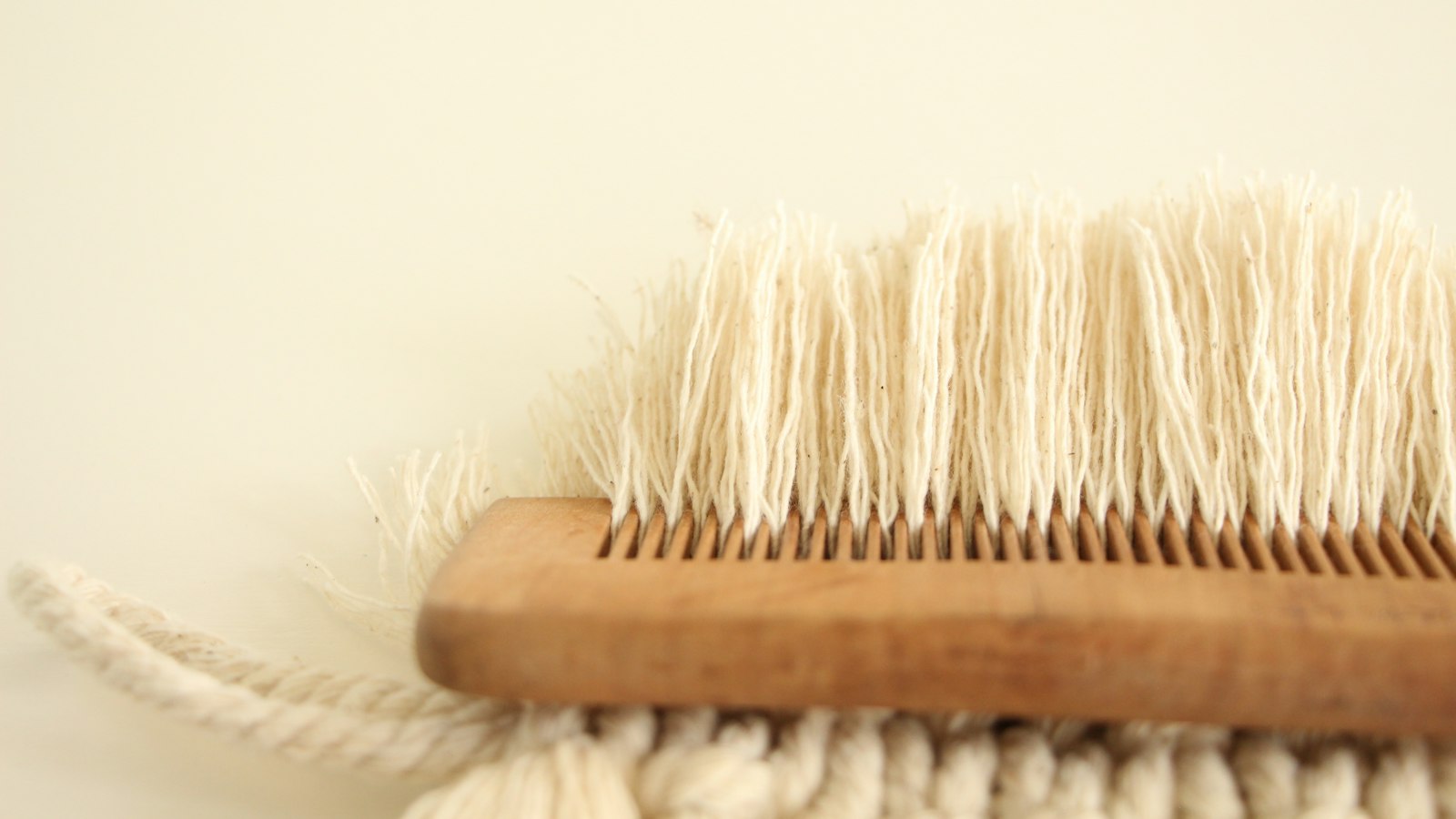
Photo by sareh Askarzadeh on Unsplash
Key Takeaways
Your hair type dictates whether a brush or comb wins—using the wrong tool causes breakage and frizz. Round brushes work best on straight or wavy hair when used gently. For curls, coils, or damaged hair, start with a comb at the ends and work upward. Bristle material matters more than shape: boar for dryness, nylon for slip, mixed for versatility. Avoid metal pins (they pull hair) and wide teeth (they snag curls). Test a tool’s grip by running it through damp hair—if it tugs or slips, it’s wrong for your texture.
- Hair type rules the tool: Straight or wavy? Brush. Curly or fine? Comb—always starting at the ends.
- Bristle beats shape: Boar bristles seal moisture; nylon glides; mixed bristles adapt to texture.
- Red flags: Metal pins yank hair; wide teeth tangle curls—check before you buy.
- The damp test: Run the tool through wet hair. Tugging or slipping? Wrong for your type.
- Flexibility matters: Bend the bristles—stiff bristles for coarse hair, soft for delicate strands.
The 5 Hidden Traits That Decide Brush vs Comb Success
Not all hair is created equal—and neither are the tools you use on it. The brush vs. comb debate isn’t just about preference; it’s about physics. Five hidden traits determine whether a brush or comb will work for your hair—or destroy it. Here’s what competitors overlook:
1. Hair Elasticity: The Snap Test
Brushes stretch hair, combs preserve its shape. Straight or wavy hair bends like a reed; coils and kinks snap like a rubber band. Pull a single strand gently. If it stretches without breaking, a brush is safe. If it snaps or resists, a comb is non-negotiable. The wrong tool turns detangling into a tug-of-war—literally.
2. Bristle Flexibility: The Bend Test
Soft bristles (like boar) massage the scalp; stiff bristles (like nylon) cut through knots. Bend the bristles. If they don’t spring back, they’ll pull your hair instead of gliding. A brush with limp bristles is a red flag—it’s either too old or the wrong material. Combs don’t need this test; their teeth do the work.
3. Tool Weight: The Yank Test
Heavy combs (metal or wood) detangle better; lightweight brushes (synthetic) reduce tension. Hold each tool. If it feels like it’s yanking your hair instead of guiding it, it’s the wrong weight. A brush that’s too heavy drags; a comb that’s too light skips over snarls.
4. Tooth Spacing: The Slide Test
Wide teeth work best for coarse hair; narrow teeth are better suited for fine strands. Slide the comb through a section. If the teeth skip or snag, they’re too wide. Brushes don’t need this test—unless you’re using one with built-in teeth (which are usually a mistake).
5. Handle Ergonomics: The Cramps Test
A comb’s grip should fit your palm; a brush’s handle should pivot with your wrist. Mimic brushing. If your hand cramps after 30 seconds, the angle’s wrong. A brush that forces you to twist your wrist is a disaster for long sessions. Combs should feel like an extension of your hand—no strain, no struggle.
The trap? Most advice ignores these traits and defaults to “use a brush for detangling.” That’s how you end up with breakage, frizz, and a tool that feels like it’s fighting you. The real question isn’t which tool you like—it’s which tool your hair allows. Run these tests before you buy, and you’ll never waste money on the wrong one again.
When to Use a Brush (And When to Ditch It)
Brushes can tangle or damage curls, coils, or fine hair if used improperly. If your hair is curly, coily, or fragile, a comb is safer—always begin at the ends. The key isn’t just hair type; it’s elasticity. Run a strand between your fingers while dry: if it stretches and snaps back, a brush works. If it stretches and stays stretched, it’s a comb’s job.
When a Brush Wins
Use a brush for:
- Blow-drying (round brushes smooth heat-styled hair).
- Light detangling (only on dry hair—never wet).
- Smoothing (straight or wavy hair tolerates brushing).
When to Ditch It
Skip the brush if:
- Your hair is curly/coily (brushing frizzes and stretches curls).
- Your hair is fine (bristles tug and snap strands).
- Your hair is damaged (weak points tear under pressure).
Brush Red Flags
Avoid brushes with:
- Metal pins (they snag and pull).
- Stiff bristles (they drag, not detangle).
- Handles that strain your wrist (switch to a comb with rounded teeth).
Pro Tip: Brush only dry hair. Wet hair stretches and snaps—use a comb for pre-shampoo detangling instead.
How to Test a Brush Before Buying
- Bend the bristles. Flexible bristles detangle; stiff ones tug.
- Check the handle. It should fit your grip without forcing wrist strain.
- Run a strand through dry hair. If it slides without resistance, it’s a keeper.
Fix a Bad Brush If your brush causes breakage, swap it for a comb with rounded teeth—it glides through tangles without snagging.
Still unsure? The next section maps hair types to the right tool—skip ahead.
When a Comb Wins (And How to Use It Right)
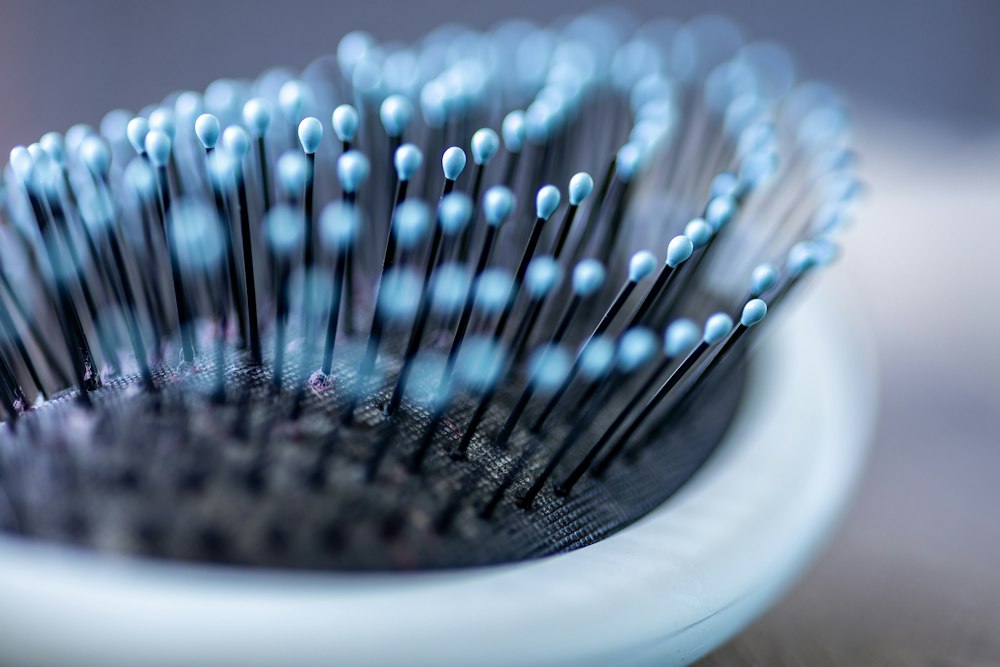
Photo by Eva Kristensen on Unsplash
The comb isn’t just a backup—it’s the right tool for curly, coily, or damaged hair, and the only way to detangle any hair type without causing breakage. Brushes fail here because their bristles grip and stretch curls, turning detangling into a tug-of-war. A comb, used correctly, slides through without resistance.
The three rules that make a comb work (and a brush fail):
- Start at the ends. Working from the tips upward prevents snags and lets the hair stretch naturally instead of resisting the tool. Think of it like unraveling a sweater—you’d never yank from the top.
- Wide teeth only. Narrow teeth snag curls like fishing hooks, while wide-tooth combs glide through. If your comb feels like it’s fighting the hair, swap it out.
- Conditioner first. Spray hair with leave-in conditioner before combing—it adds slip and reduces breakage. Without it, even the best comb turns into a weapon.
Avoid these combs like the brushes they mimic:
- Jagged edges tear cuticles, leaving hair rough and prone to frizz.
- Slippery handles pull instead of glide, turning detangling into a game of keep-away.
- Metal combs (unless coated) strip natural oils, especially on dry or damaged hair.
The bristle flexibility test (competitors ignore this): Before buying, bend the teeth—if they snap or bend permanently, they’ll break your hair. A good comb’s teeth should flex like a ruler, not crack like a dry twig.
Hair elasticity check (physical test): Stretch a single strand between your fingers. If it snaps back immediately, it’s high-elasticity hair—use a comb. If it stays stretched or breaks, it’s low-elasticity (common in fine or damaged hair), and a comb is still the only safe option. Brushes will stretch it further, leading to irreversible damage.
Pro tip for stubborn tangles: Work the comb in small sections, lifting hair vertically to avoid pulling. If it feels impossible, wet hair slightly and try again—water reduces resistance.
When to ditch the comb (and why):
- If your hair is bone-dry—even a wide-tooth comb will snag without moisture.
- If you’re using it on wet hair without a detangling spray—water alone isn’t enough slip.
- If the comb has no teeth (like a styling comb)—those are for styling, not detangling.
The bottom line: A comb wins when a brush fails—and that’s most of the time. Use it for curls, coils, or any hair type if you’ve ever felt a brush fighting back. The key isn’t the tool itself; it’s the technique. Start at the ends, add slip, and let the hair move with you, not against. That’s how you detangle without damage.
The Decision Table: Brush vs Comb by Hair Type
Here’s how to match your hair to the right tool—without guessing. The difference isn’t just texture; it’s physics. Brushes stretch hair; combs preserve its shape. That’s why a round brush works for straight or wavy hair but fails on curls, coils, or damage. The table below cuts through the noise by mapping five hidden traits to your hair’s needs.
How to Use This Table
- Run the tests first—they’re the only way to know for sure.
- Match your results to the red flags—if any apply, that’s your answer.
- No red flags? Pick the tool that aligns with your hair’s behavior.
| Criterion | Why It Decides the Outcome | How to Check It Yourself | Red Flag | Your Hair Type |
|---|---|---|---|---|
| Hair Texture | Brushes grip and stretch; combs slide without resistance. | Run a dry strand between your fingers—does it snap or stretch? | If it snaps, use a comb. | Curls, coils, fine/damaged hair. |
| Bristle Material | Boar bristles add shine but pull; nylon detangles gently. | Bend the bristles—do they spring back or stay bent? | Stiff bristles = pulling. | Avoid boar on curls/coils. |
| Tool Weight | Heavy combs detangle; light brushes reduce tension. | Hold each—does it feel balanced or top-heavy? | Top-heavy = tugging. | Curly/coily hair needs weight. |
| Tooth Spacing | Wide teeth for coarse hair; narrow for fine. | Slide through hair—do teeth skip or glide? | Skipping = wrong spacing. | Coarse hair: wider teeth. |
| Handle Grip | Ergonomic handles reduce strain; awkward ones cause cramping. | Mimic brushing—does your wrist cramp? | Cramping = poor angle. | Ergonomic > anything else. |
How to Read the Red Flags
- If your hair snaps when stretched, a brush will break it. Use a comb.
- If bristles don’t spring back, they’ll pull your hair. Skip boar bristles.
- If the tool feels top-heavy, it’ll tug. Pick a heavier comb instead.
- If teeth skip, they’re too wide. Narrower teeth detangle fine hair.
- If your wrist cramps, the handle is wrong. Ergonomics matter more than aesthetics.
The One Rule That Trumps Everything
Your hair’s elasticity is the tiebreaker. If it stretches like taffy, a brush will frizz it. If it snaps, a comb is non-negotiable. No exceptions.
Next step: Now that you’ve matched your hair to the right tool, use this checklist to test your brush or comb before buying. (The system will auto-link this if the section exists.)
How to Test a Brush or Comb Before You Buy
You don’t need to buy a hair tool blindly—five simple tests reveal whether it’ll work with your hair type before you pay. The right tool should feel like an extension of your hand, not a battle. Here’s how to tell the difference:
1. The Grip Test (Damp Hair)
Run the tool through a small section of damp hair (never dry—it’s too fragile). If it tugs, snags, or feels like it’s fighting your strands, it’s the wrong texture for your hair. Brushes may not suit curls, coils, or damaged hair. For these types, a comb should glide through without pulling. If it feels like pulling taffy, walk away.
2. The Bristle Flex Test (Physical Check)
Bend the bristles or teeth by hand. If they don’t spring back into place, they’ll stretch and break your hair over time. Flexibility isn’t just comfort—it’s physics. A stiff brush or comb will cause more damage than a detangling session.
3. The Weight Balance Test (Hold It)
Grip the tool like you would in use. If it’s top-heavy (weight concentrated near the bristles), it’ll pull at your roots and cause tension headaches. The balance point should be near your palm, not your fingertips. A well-balanced tool moves with you, not against you.
4. The Tooth Spacing Test (Slide Through Hair)
For combs, slide the teeth through a section of hair. If they skip or catch, the spacing is too wide for your hair’s density. Teeth should glide without resistance—if they don’t, you’ll be fighting frizz instead of detangling.
5. The Handle Angle Test (Mimic Brushing)
Hold the tool at the angle you’d use while brushing or combing. If your wrist strains to keep it steady, the handle’s angle is off. Your arm should stay relaxed—if it doesn’t, the tool will make daily styling feel like a workout.
The Bottom Line: Skip the tool that fails any of these tests. Your hair’s elasticity is the real metric here—if the tool stretches or snags instead of gliding, it’s wrong for your texture. A comb’s teeth should preserve your hair’s shape; a brush’s bristles should distribute natural oils without tugging. No exceptions.
Pro Tip: If you’re still unsure, try the “damp strand test”—run a single damp strand through the tool. If it snaps or stretches, it’s not the right match. Learn how to care for your hair tools after purchase here.
Frequently Asked Questions

Photo by Vitaly Gariev on Unsplash
Can I use a brush on curly hair?
No—unless you’re willing to sacrifice your curls. Brushes stretch and snap hair at the weakest points, which for curly textures means the natural bend between coils. The right comb instead slides smoothly through curls when it follows their natural curve, which helps prevent snags and breakage. Test this yourself: Run a single curl between your fingers while dry—if it snaps or stretches instead of bending, that’s the physical proof a brush is wrong for your hair. For curls, a wide-tooth comb or a denman brush (designed for detangling) is your only friend.
Why does my comb keep snagging?
Snagging is your comb’s way of telling you it’s the wrong tool for your hair. If you have fine, straight, or low-porosity hair, a metal comb with sharp teeth will grip and tear—the fix? Switch to a boar-bristle comb or a slicker brush (if your hair type allows it). For curls or coily hair, a comb with rounded tips and spaced teeth prevents snags by distributing tension. Try this: Wet a section of hair, then pull it through the comb’s teeth. If it resists or tears, the comb’s teeth are too aggressive for your texture.
Is a boar brush better than nylon?
It depends on what you’re trying to achieve—and whether you’re willing to pay the price. Boar bristles distribute natural oils, making them ideal for dry or coarse hair, but they’re brutal on fine, damaged, or chemically treated strands (think: bleached or relaxed hair). Nylon, on the other hand, is gentler and better for detangling wet hair, but it can feel harsh on high-porosity hair. Here’s the real test: Brush a small section of dry hair with both. If the boar brush leaves your hair feeling silky and adds shine, it’s the winner. If it feels like you’re sanding your strands, stick with nylon—or better yet, a comb.
How do I know if my hair tool is damaging me?
Your hair doesn’t lie. If you’re experiencing more frizz, split ends, or breakage after using a tool, it’s a red flag. Check for these signs:
- Physical resistance: If your hair fights the brush or comb instead of gliding through, you’re forcing it.
- Heat or tugging: Brushes (especially round ones) generate friction, which can damage fine hair. Combs should never feel like they’re pulling your scalp.
- The elasticity test: Gently stretch a single strand between your fingers. If it snaps or loses its bounce after brushing, the tool is too aggressive.
Pro move: Always start with a detangling spray or conditioner if your hair is dry, and never brush when it’s soaking wet—unless you’re using a specialized wet brush. If your tool still feels wrong, it is.
Which Tool Actually Wins for Your Hair
Here’s the rule: your hair type and its condition decide the winner, not the tool itself. The difference isn’t just whether you have curls or straight strands—it’s whether your hair stretches or snaps under pressure. Brushes grip and pull, while combs glide and preserve. That’s why:
- Straight or wavy hair? Use a brush (round or paddle) for smoothing—but only on dry hair. Wet brushing stretches hair beyond its elastic limit, and the damage is permanent. Test this: run a single strand through dry hair with the brush. If it snaps or splits, the tool is too harsh for your texture.
- Curly or coily hair? A wide-tooth comb (with spaced teeth) is the safest option—but only on damp hair. Brushes tear through curls like a fork through spaghetti. The comb’s teeth slide between coils without breaking them. Pro tip: bend the bristles of a new comb slightly outward with your fingers—this mimics the natural shape of your curls and reduces snagging.
- Fine or damaged hair? Avoid brushes entirely. Even a gentle brush will stretch and weaken strands. Opt for a comb with rounded teeth (not sharp) and pair it with leave-in conditioner. The rounded shape mimics the natural curve of fine hair, while conditioner adds slip to prevent breakage. Never brush when hair is dry or tangled—start with a detangling spray and work the comb through in small sections.
- Thick or coarse hair? A heavy comb (wood or metal) wins for detangling—its weight slices through knots without resistance. For styling, a light brush (natural bristles, not synthetic) adds volume without pulling. The key: thick hair needs weight to move, not friction.
The bristle flexibility test is your last check before buying: bend the bristles of a brush or comb with your fingers. If they snap back into place immediately, they’re too stiff for your hair. If they stay bent, they’re too soft and will clump. The right tool should feel like an extension of your hand—not a battle.
Final rule: Never brush wet hair unless you’re using a specialized wet brush. The elastic limit of hair is its breaking point. Wet hair stretches farther, increasing the risk of snapping. If you’re unsure, comb first, then style. The tool that preserves your hair’s shape is the winner—no exceptions.
Keep reading
Keep exploring the topic with these related guides: