
Sigma vs Sephora Collection Brushes: 7 Key Differences (2026)
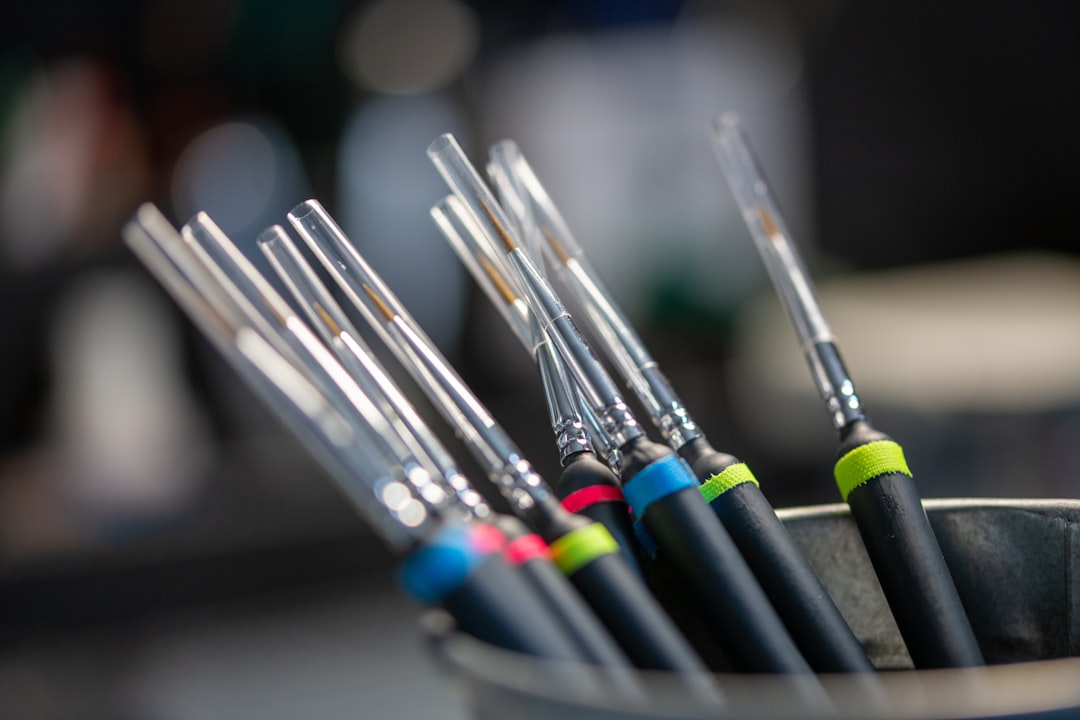
Photo by Multi Awesome Studio on Unsplash
We don’t quote prices for third-party products: list prices change often and we can’t verify them for you. Check the vendor’s or retailer’s own current listing.
Key Takeaways
Sigma and Sephora Collection sit at different price points, but the decision that changes your result is not the badge on the handle — it is the fibre, the density and the shape. We do not restate either brand’s fibre composition, weights, set contents or durability figures here; those vary by model and by season, and the brand’s own product page is the only place they are current.
Durability is decided by construction, not by brand — how tightly the ferrule is crimped, whether the bristles are bonded or only glued, and how often (and how roughly) you wash them. Those are things you can inspect on the brush in front of you.
Who wins? Neither, in the abstract. Match the brush to the product you actually use — dense and flat for liquid and cream, loose and domed for powder — and buy the shape, not the logo. If packing weight matters to you, it is listed on each product page; we do not quote it, because it changes model by model.
Part of our complete guide: for the full picture, see 25+ Free Procreate Makeup Brushes for Flawless Digital.
Sigma vs Sephora Collection Brushes: At a Glance
We are not going to hand you a spec sheet for either brand. Fibre names, handle materials, set contents and stockists change model by model and season by season, and we cannot verify them for you. What does not change is the short list of things worth comparing — so compare these, on the two specific brushes you are actually choosing between.
| What to compare | Why it decides the result | Where to check it |
|---|---|---|
| Fibre type | Synthetic does not absorb water-based product; natural hair does, and swells | The fibre is named on the product page of each brush |
| Density | Dense and packed pushes liquid into skin; loose and airy diffuses powder | Press the head against the back of your hand in store, or look at the head-on photo |
| Head shape | Flat-top buffs, tapered blends, angled carves | Product photo, side-on |
| Ferrule seam | A loose or unglued crimp is where shedding starts | Roll the ferrule between your fingers and look for a gap at the seam |
| Handle length and weight | Short handles suit close work, long handles suit arm’s-length blending | Listed on the product page |
| Return window | The only real protection against a brush that sheds on day three | Each brand’s own returns policy |
The bottom line? There is no brand-level answer. A dense flat-top from either brand will lay liquid foundation better than a loose domed brush from the other, and the reverse is true for powder. Pick the head shape your routine needs, then pick the price you want to pay for it.
Bristle Technology: Why It Matters for Your Makeup Routine
Bristle type isn’t just a detail — it’s the difference between flawless foundation and streaky concealer. Both brands sell synthetic lines and blended lines, and which one a given brush uses is printed on that brush’s own product page, so check there rather than assuming by brand. What follows is how each fibre type behaves, which is the part that holds regardless of the logo.
Synthetic fibre: the liquid specialist
Synthetic filaments — Taklon and nylon are the common ones — are non-porous. They sit on top of a water-based formula instead of drinking it, which is why a synthetic head lays liquid foundation evenly and washes out without holding onto product. Both brands sell synthetic lines; the product page names the fibre.
The trade-off is real. A smooth synthetic filament grips loose pigment less well than a scaled natural hair, so a powder-first routine will feel less generous on a fully synthetic brush.
Natural and blended fibre: the powder specialist
Natural hair has microscopic scales along the shaft. Those scales are what pick powder up and release it gradually, which is why blended and natural heads diffuse blush and shadow so easily. The same scales absorb water-based product and swell, so they are a poor match for liquid foundation, and they need gentler washing.
Density matters more than the fibre name
Density — how tightly the filaments are packed — decides more than the fibre label does. A firm, flat, densely packed head buffs liquid foundation into skin. A looser, domed, airier head diffuses powder. If you are heavy-handed with product, density saves you from a cakey finish; if you want a sheer result, a looser head is more forgiving. You can judge it in about two seconds by pressing the head against the back of your hand.
Pro tip: For liquid and cream products, choose synthetic. For powders, a blended or natural head gives the softer, more diffused finish — just expect to wash it more gently.
Blending Performance: Which Brushes Blend Better?
Flawless Blending in 5 Minutes: The Pro Makeup Artist’s Brush System for Busy Creators — If you’re tired of guessing which brush shape works for your makeup routine—or struggling to blend efficiently—this system removes the trial and error. Includes 1 free bonus resource. master blending in 5 minutes with this pro brush system
We have not run these brushes side by side, so we are not going to tell you which one blended better. What we can tell you is what the head shape is doing, so you can predict the result yourself for whichever pair you are looking at.
Foundation: a flat-top or a tapered kabuki
A dense, flat-topped head buffs liquid foundation into skin in small circles and leaves the fewest streaks, because the packed filaments keep the product moving instead of letting it pool. A tapered head lays it down faster but needs a second pass to break up the edges. Both brands sell both shapes.
Eyeshadow: a tapered dome for the crease
A soft, tapered dome is what diffuses a crease shade; a firmer, flatter head packs colour onto the lid. If a shadow brush is scattering fallout, the head is usually too loose for how much product you loaded, not the wrong brand.
Concealer: small and firm beats small and soft
Under the eye, a small firm head gives you control over exactly where the product lands, and a softer flat head is more forgiving but less precise. If you are new to concealer, the softer one is easier to live with.
Key takeaway: Pick by shape and density first. Once you know the shape you want, the brand question is a budget question.
Durability: How Long Will These Brushes Last?
How long a brush lasts is decided by three things you can inspect and one you control: the ferrule crimp, how the bristles are anchored, the handle material, and how you wash and dry it. We do not publish lifespan figures for either brand — nobody can give you an honest one without years of controlled use.
Warranty and Returns
Warranty and return terms change, and we do not restate them here: check each brand’s current policy on its own site before you buy. It is worth doing, because the cover on a brush is often the difference between one you can replace when the ferrule loosens and one you simply lose.
Bristle shedding
Shedding starts at the ferrule, not at the tip. Bristles are set into the metal with adhesive and the ferrule is crimped over them; if the crimp is loose or the adhesive is thin, water gets in during washing, softens the glue and the head starts to thin. Tug gently on a new brush’s bristles: one or two loose filaments is normal, a small tuft is not.
Cleaning: how often, and how, matters more than brand
Wash a brush you use with liquid or cream product often enough that product is not drying inside the head; a powder brush can go longer. What shortens life is not frequency, it is technique — soaking the whole head so water sits inside the ferrule, scrubbing side to side against a textured mat, and drying bristles-up so water runs down into the glue. Wash the head only, rinse pointing down, reshape, and dry flat with the head over the edge of the counter.
Handle durability
Handles are wood, resin or plastic depending on the model, and each fails differently: wood swells and cracks if it sits in water, plastic flexes and eventually snaps at the thinnest point, resin chips. Check what a brush’s handle is made of on its product page, and keep any of them out of standing water.
What actually decides durability: the ferrule crimp, the adhesive, and your drying habit. A cheap brush dried correctly outlives an expensive one dried bristles-up in a jar.
Which Brush Set Is Right for You?
The honest answer is that the choice is driven by your routine and your budget, not by which brand is “better”. Here is how to translate your routine into a shortlist.
If you use liquid or cream products daily
You want synthetic fibre and a dense head — a flat-top kabuki for foundation, a small firm head for concealer. Both brands sell these. Buy the shape first and let price decide the badge.
If you are learning
Buy fewer brushes than you think you need: a foundation brush, a blending brush and a powder brush will carry you a long way. Cheaper brushes are the right call while you are still working out which shapes you reach for.
If you travel
Look for short handles and a case or roll, and check the listed handle length before you buy — a long-handled blending brush is the one that never fits.
If you have sensitive skin
Synthetic fibre is the safer default: it is smoother against skin than a scaled natural hair and it does not hold onto water-based product the same way. The product page names the fibre for every brush in either range.
Ready to choose? Decide the head shape, decide your budget, then open both product pages side by side and compare fibre, density and return window on the two specific brushes — not on the two brands.
Frequently Asked Questions
Are Sigma or Sephora Collection brushes cruelty-free?
Both brands market these lines as cruelty-free and both use synthetic bristles, so no animal hair is involved. Certification status can change, so check the current listing on each brand’s own site if that matters to you.
Can I use Sephora brushes with liquid foundation?
Yes — if the brush is synthetic and dense. Synthetic fibre does not absorb water-based foundation, and a densely packed head keeps the product moving instead of letting it settle into streaks. Check the fibre and look at the head-on product photo before you buy; a loose, airy head will struggle with liquid whatever the brand.
How often should I replace Sigma vs. Sephora brushes?
Replace by symptom, not by calendar. A brush is done when the head no longer holds its shape after washing, when it sheds more than the odd filament, when the ferrule wobbles on the handle, or when it starts scratching. We do not quote lifespans for either brand — an honest figure would need years of controlled use, and neither of us has that.
Do Sigma brushes work with powder products?
Yes. Synthetic fibre grips loose pigment a little less than natural hair does, but a well-shaped synthetic dome handles powder shadow and blush without trouble. For powders, the brush’s density and shape matter far more than which brand made it.
Which brand offers better brush sets for eyeshadow?
There is no single best set — there is the set that contains the shapes you use. For eyeshadow, the shapes that earn their place are a tapered dome for the crease, a flat packer for the lid, a small pencil brush for the outer corner and a clean fluffy brush for diffusing. Check any set you are considering against that list before you look at the price.
Final Verdict: Sigma or Sephora Collection?
Here is the deal, and it is duller than a verdict: we cannot tell you that one of these brands outperforms the other, because we have not tested them against each other and nobody who has not is entitled to say it. What we can tell you is what to decide on.
Decide on fibre first. Synthetic for liquid and cream, blended or natural for powder. Both brands sell both.
Decide on density and shape second. This is the variable that changes your result most, it is visible in the product photo, and it is judgeable in two seconds in a store.
Decide on construction third. Ferrule crimp, how the bristles are anchored, handle material — these decide whether the brush survives a year of washing.
Only then does price come in, and at that point you are comparing two specific brushes rather than two logos. Open both product pages, put the fibre, the head shape and the return window side by side, and buy the one that matches the products you actually use.
Keep reading
Keep exploring the topic with these related guides:
- When to Replace Makeup Brushes: 5 Signs (2026)
- Best Brushes for Under Eye Concealer: 6 Expert Picks (2026)
Next step: Ready to skip the guesswork and blend like a pro every time? This system is built for busy creators who want flawless results without the fuss. get the 5-minute pro blending system here