Acid Brush vs Deck Brush: Which Should You Use?
Key Takeaways
Acid brushes and deck brushes serve entirely different purposes—soft, tapered bristles make acid brushes ideal for makeup blending, precision application, and cleaning delicate surfaces, while stiff, dense bristles give deck brushes the scrubbing power needed for textured or heavily soiled areas. The choice comes down to three core traits: bristle stiffness, handle design, and head shape. Acid brushes prioritize control and finesse (think eyeshadow blending or spot-cleaning), while deck brushes excel at aggressive scrubbing (grout, decks, or industrial surfaces).
To decide which you need, test the bristles—if they bend easily under light pressure, it’s an acid brush; if they resist, it’s a deck brush. Handle length and grip also differ: acid brushes favor short, ergonomic designs for detail work, while deck brushes use long, sturdy handles for leverage. Match the tool to the task: precision or delicate surfaces → acid brush; heavy-duty cleaning or rough textures → deck brush.
Part of our complete guide: for the full picture, see 25+ Free Procreate Makeup Brushes for Flawless Digital.
What to Check Before You Choose
Here’s the decision table to guide your choice—focus on the criteria, not the products.
| Criterion | Why it decides the outcome | How to check it yourself | Red flag |
|---|---|---|---|
| Bristle stiffness | Determines whether the brush glides (acid) or scrubs (deck). Soft bristles blend; stiff bristles remove buildup. | Press the bristles lightly with your fingertip. If they bend easily, it’s an acid brush. If they resist, it’s a deck brush. Look for the manufacturer’s spec sheet under “bristle material” or “stiffness rating.” | Bristles that splay or deform under light pressure (too soft for scrubbing) or feel like wire (too harsh for delicate surfaces). |
| Handle length | Short handles offer precision; long handles provide leverage for scrubbing. | Measure the handle from base to tip. If it’s under 6 inches, it’s designed for control. If it’s over 12 inches, it’s built for power. Check the product’s official dimensions page. | A handle that’s too long for detail work (awkward for blending) or too short for scrubbing (fatigue from bending). |
| Head shape | Tapered heads fit tight spaces; wide heads cover large areas. | Examine the brush head. If it narrows to a point, it’s for precision. If it’s rectangular or oval, it’s for coverage. Look for “head shape” in the product description. | A head that’s too wide for small tasks (overspill) or too narrow for large surfaces (inefficient). |
| Bristle material | Synthetic/natural fibers affect durability and cleaning power. Soft fibers blend; stiff fibers scrub. | Check the spec sheet for “bristle material.” Synthetic (nylon, polyester) or natural (hog bristle) will indicate stiffness. Avoid vague terms like “high-quality fibers.” | Bristles that degrade quickly in solvents (for acid brushes) or fray under pressure (for deck brushes). |
| Task precision | Acid brushes excel at fine control; deck brushes prioritize force over finesse. | Ask: Does the task require blending, detailing, or avoiding damage? If yes, lean toward an acid brush. If it’s about removing grime or covering ground, choose a deck brush. | Using a deck brush for makeup (harsh edges) or an acid brush for grout (ineffective scrubbing). |
| Surface texture | Delicate surfaces need soft bristles; rough surfaces demand stiff ones. | Assess the surface: smooth (skin, painted trim) or textured (grout, brick). Soft bristles protect smooth surfaces; stiff bristles clean textured ones. | Bristles that scratch smooth surfaces or fail to penetrate textured ones. |
Acid Brush vs Deck Brush: Core Differences You Need to Understand
Acid brushes and deck brushes aren’t just different tools—they’re built for opposite jobs. The difference starts with the bristles, which determine whether the brush cleans, applies, or blends. Synthetic or natural fibers give acid brushes their soft touch for smooth application and delicate cleaning. Stiff synthetic or natural bristles give deck brushes the grip they need to scrub away stubborn buildup. That stiffness difference isn’t subtle—it’s the difference between a brush that glides and one that scrubs.
Bristle stiffness drives how you’ll use the tool, but the handle and head shape decide how precisely you can wield it. Acid brushes favor shorter, ergonomic handles that let you control every stroke—ideal for makeup blending or cleaning tight spaces. Deck brushes often have longer handles to give you leverage during scrubbing, trading precision for power. Their wider, rectangular or oval heads cover more surface area, making them efficient for large cleaning tasks or applying product over broad areas. The head isn’t just wider; it’s designed to push or pull material, not refine it.
The materials and design choices aren’t arbitrary—they’re trade-offs between control and force. Acid brushes handle moisture and gentle solvents without flaring out or degrading, which is why they excel with makeup and cleanup. Deck brushes, by contrast, are built to survive harsh cleaners and repeated water exposure without falling apart. That durability comes at the cost of softness—deck brushes won’t deliver the seamless blend an acid brush does, but they’ll stand up to jobs where cleanup is just as important as the initial application.
So which one do you need? Ask yourself: Do I need precision and smoothness, or power and durability? The answer isn’t in the product names—it’s in how the tool is designed to interact with your materials. If you’re still unsure, the next sections will break down exactly when each brush wins.
When to Use an Acid Brush: 6 Scenarios Where It Wins
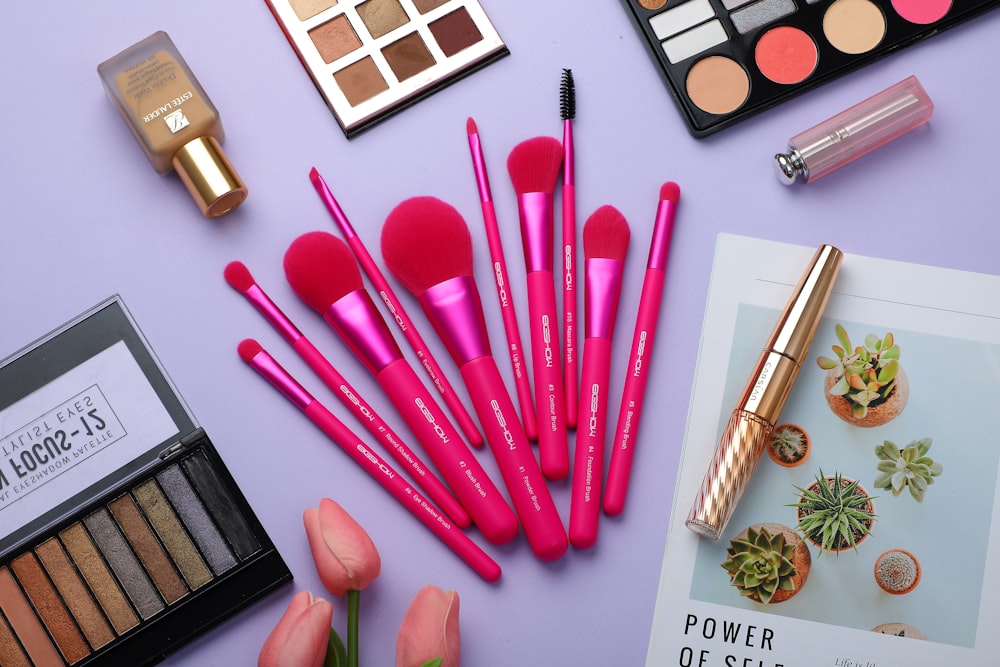
Photo by William Shu on Unsplash
An acid brush isn’t just a smaller version of a deck brush—it’s a precision tool built for control, not coverage. Here’s exactly when to reach for one, and how to spot the tasks where its soft, tapered bristles outperform anything else in your kit.
1. Seamless makeup blending
The tapered head and ultra-soft bristles let you feather product without disturbing what’s underneath. Pressing too hard with a deck brush can drag pigment or leave harsh edges—an acid brush glides, so you can soften eyeshadow transitions or diffuse concealer without lifting layers. If your blending leaves visible lines or pulls at the skin, the brush is the fix.
2. Precision application
Eyeliner, lip color, or spot-correcting mistakes demand a brush that fits the target. The acid brush’s narrow head keeps product where you want it—no overspill, no cleanup. Try it for graphic liner, ombré lips, or fixing smudged mascara; the control is immediate. If you’ve ever had to wipe away excess or redo a small area, this is the tool that eliminates the problem.
3. Cleaning delicate surfaces
Grout, tile, or painted trim need scrubbing that won’t scratch or strip the finish. The acid brush’s bristles flex without gouging, so you can work into corners or around fixtures without risking damage. If a deck brush leaves marks or requires too much pressure, switch to the acid brush and let the bristles do the work.
4. Applying small amounts of product
Expensive serums, potent pigments, or concentrated cleaners go further with a brush that dispenses just enough. The narrow head minimizes waste—no globs, no over-pouring. If you’ve ever squeezed out more than you need or struggled to control a dropper, the acid brush gives you the precision of a pipette with the ease of a brush.
5. Artistic detailing
Nail art, face painting, or intricate designs rely on fine lines and sharp edges. The acid brush’s compact head fits into stencils or templates without smudging, so you get clean, crisp results every time. If your detailing looks messy or requires constant touch-ups, the brush’s shape is the difference.
6. Stencil and template work
Whether you’re stenciling brows, applying glitter, or working with adhesive guides, the acid brush’s small head stays inside the lines. The bristles won’t drag or lift the edges, so your work stays defined. If your stencils look fuzzy or the product bleeds outside the design, the brush’s size and stiffness are the solution.
How to decide if you need one: If your task involves blending, precision, or delicate surfaces—and you’re fighting overspill, harsh edges, or damage—the acid brush is the tool that removes the friction.
When to Choose a Deck Brush: 5 Tasks Where It’s the Better Tool
A deck brush isn’t a precision tool—it’s a powerhouse designed for brute-force cleaning where softness won’t cut it. Reach for one when you need coverage over control, and the surface demands a tool that can take the abuse instead of giving up when the grime sets in.
Heavy grime that laughs at soft brushes
Caked-on mud, mildew stains, or algae on outdoor surfaces won’t budge under gentle pressure. A deck brush’s stiff bristles dig in where soft tools glide right over, making it the only choice for scrubbing decks, patios, or outdoor furniture where dirt has settled into a stubborn layer. Skip the acid brush here—it’ll just smear the mess around.
Textured surfaces that trap debris
Grout lines, rough brick, or stucco look innocent until you try to clean them. Those same indentations that hold the gunk also shred standard soft brushes. The wider, stiffer head of a deck brush forces its way into crevices, dislodging embedded dirt without the bristles splaying apart like they would on a tapered acid brush. Grout that’s been ignored for years? That’s a deck brush task.
Prep work before pressure washing
Think of a deck brush as the SWAT team of cleaning—sent in first to break up the resistance so the big guns (pressure washers, chemical strippers) can do their job. Scrubbing first lifts the top layer of grime, letting cleaners or stains penetrate deeper instead of just sitting on a film of dirt. Without this step, you’re wasting time and product, spraying cleaner onto a surface that hasn’t even been scratched yet.
Covering ground fast
Ever tried to clean a fence or siding with a tiny acid brush? You’ll finish the job in another lifetime. The wider head and longer handle of a deck brush let you cover more area in fewer strokes, reducing fatigue and speeding up the work. When the surface is large and the clock is ticking, this isn’t just a preference—it’s the only practical option.
When you’re using aggressive cleaners
Chemical strippers, degreasers, or abrasive pads are harsh by design, and most soft brushes won’t survive the treatment. Deck brushes are built to handle the chemicals and the physical scrubbing without their bristles falling out or their handles warping. If you’re working with industrial-strength cleaners, the deck brush is the tool that won’t quit on you halfway through.
The bottom line? If the job involves **scrubbing where softness fails, prepping where dirt hides, or
How to Tell Which One You Actually Need
Flawless Blending in 5 Minutes: The Pro Makeup Artist’s Brush System for Busy Creators — If you’re blending makeup with precision, the Flawless Blending in 5 Minutes system turns everyday routines into pro-level results—no guesswork required. Includes 1 free bonus resources. master seamless eyeshadow blending in minutes
Here’s the one question that decides it: What are you trying to do? If the answer involves blending, correcting, or precision—especially on skin, painted surfaces, or delicate materials—reach for the acid brush. If it’s about power, speed, or tackling rough or textured surfaces like decking or grout, the deck brush is your tool.
That’s the shortcut, but the real decision happens in four quick checks. Run through them in order, and the right brush will be obvious before you even pick one up.
1. What’s the task?
Makeup artists and DIYers often assume brushes are interchangeable, but the acid brush and deck brush are built for opposite ends of the spectrum. Ask yourself:
- Precision or coverage? An acid brush’s tapered bristles let you feather edges, blend harsh lines, or apply product to small areas (think cut creases, lipstick, or spot-cleaning stains). A deck brush’s wide, stiff head is for pushing product across large surfaces—think priming a canvas, stripping paint, or scrubbing grout.
- Correction or application? Acid brushes excel at fixing mistakes (overdrawn eyeliner, uneven eyeshadow) because their soft bristles won’t disturb what’s already there. Deck brushes are for laying down material, not refining it.
If your task involves finesse, blending, or fixing errors, the acid brush wins. If it’s about speed, coverage, or aggressive cleaning, go with the deck brush.
2. What’s the surface?
The material you’re working on dictates the bristle stiffness you need. Delicate surfaces demand softness; rough or porous ones need stiffness to dig in.
- Acid brush territory: Skin (makeup, skincare), painted wood, tile, glass, or any surface where scratches or streaks would ruin the finish. The soft, tapered bristles glide without damaging or leaving marks.
- Deck brush territory: Decking, concrete, grout, brick, or any textured surface where you need to dislodge grime, strip paint, or scrub deeply. The stiff bristles won’t bend under pressure, so they can lift dirt from crevices.
Test it: Press the bristles against the surface. If they splay or feel too harsh, you need an acid brush. If they barely flex, the deck brush is the better match.
3. What’s the product?
The consistency and purpose of what you’re applying (or removing) should align with the brush’s design.
- Acid brush pairings: Makeup (foundation, concealer, eyeshadow), light stains, thin liquids, or gentle cleaners. These products require control, not force—think of the acid brush as a paintbrush for detail work.
- Deck brush pairings: Paint strippers, degreasers, heavy-duty cleaners, or thick pastes. These products need to be pushed into the surface, not dabbed. The deck brush’s stiffness ensures the product gets where it needs to go without bristle collapse.
Red flag: If the product is labeled “heavy-duty,” “industrial,” or “abrasive,” it’s a deck brush job. If it’s “lightweight,” “buildable,” or “blendable,” the acid brush is the safer bet.
4. What’s your technique?
Your natural motion with a brush reveals which tool suits you. Acid brush
What to Check Before You Buy: A Comparison Checklist
 Photo by Volodymyr Hryshchenko on Unsplash
Your brush should fit the job before it hits your hand. These five traits are the difference between a tool that works and one that frustrates you halfway through the task. Run this checklist against any brush you’re considering — no product names required, just the traits you can feel and see.
Bristle stiffness: feel the difference
Start with the bristles. Bend a few gently between your fingers. Soft bristles should fold easily without resistance; stiff bristles will fight back and snap back into place. The stiffness you feel decides what the brush can do: soft brushes blend, correct, and lift color without dragging; stiff brushes scrub, strip, and reshape stubborn layers. Choose soft for precision work on skin or delicate surfaces, and stiff for aggressive cleaning or textured applications where friction matters more than subtlety.
Red flag: a brush whose bristles feel like wet spaghetti will lose shape too fast, while a brush that won’t bend at all will scratch when you need a gentle touch.
Handle length and grip: match the task
Hold the brush in your working grip. A handle that’s too short forces you to twist your wrist; one that’s too long makes fine control harder and adds weight you don’t need. Short handles excel when you’re working in tight spaces or need quick pivots—think small-scale blending or edge correction. Longer handles give leverage for scrubbing larger areas or applying pressure without hand fatigue. The right length disappears in your grip; the wrong one fights every motion.
Red flag: a handle that feels awkward in your hand usually points to a tool sized for a different job than the one you have in mind.
Head size and shape: coverage vs. detail
Lay the head flat on your work surface. Compare its footprint to the area you need to cover. A large head moves more pigment or cleaner in a single stroke but can blur edges or overshoot fine lines. A small head fits snugly around tight corners and allows surgical precision but demands more strokes to cover the same ground. The shape matters too: rounded heads roll over contours; angled heads tuck into creases. Pick the size and shape that matches the surface geometry, not the one that happened to look nice in the display.
Red flag: a head that’s too big for the detail you’re after, or too small to finish the job without fatigue.
Material compatibility: read the guidelines
Every brush is built for a chemical environment. Silicone-based formulas, alcohol-heavy cleaners, or oil-based products can break down glues, dissolve bristle coatings, or corrode ferrules over time. The manufacturer’s guidelines on the packaging or product page will tell you which solvents and cleaners are safe. Ignore the warnings and you’ll watch bristles soften, ferrules loosen, or the brush lose its shape prematurely.
Red flag: a brush labeled “general use” without specific compatibility notes is a gamble—especially if you plan to use it with anything stronger than water and mild soap.
Durability and maintenance: inspect the construction
Turn the brush over and examine how the bristles meet the ferrule—the metal band that secures them. Gently pull the bristles. If any lift or slide, the brush won’t last through a thorough cleaning and will shed over time. A well-made ferrule feels seamless with the handle material, without gaps or seams that trap gunk. If the ferrule wobbles or the bristles are already loose, the brush was assembled carelessly and will fail when you need consistency.
Red flag: any looseness—bristles, ferrule, or handle attachment—means the brush won’t survive repeated use and cleaning.
Run this checklist once, and you’ll know which brush you’re holding long before you swipe it across your face or surface.
Frequently Asked Questions
Can I use an acid brush for cleaning my deck?
No—unless you enjoy scrubbing for hours. Acid brushes are built for precision, not power. Their soft, tapered bristles excel at blending makeup or working with delicate surfaces, but they lack the stiffness and surface area to dislodge dirt, grime, or weathered wood fibers from a deck. A deck brush’s stiff, densely packed bristles are engineered to scrape, not stroke. If you try an acid brush on outdoor surfaces, you’ll spend more time reapplying pressure than actually cleaning. Worse, the bristles may splay or fray under the strain, turning your precision tool into a disposable one.
Is a deck brush safe for painted surfaces?
It depends on the paint and the pressure. Deck brushes are designed for raw wood, concrete, or composite decking—surfaces that can handle aggressive scrubbing. On painted surfaces, the stiff bristles can scratch, dull, or even strip the finish if you bear down too hard. For painted trim, doors, or furniture, test the brush in an inconspicuous spot first. If the bristles leave visible marks, switch to an acid brush or a softer scrub brush. The rule: if the surface can’t handle a fingernail scratch, don’t use a deck brush on it.
How do I clean an acid brush vs. a deck brush?
Acid brush: Rinse immediately after use with lukewarm water and a mild soap. Gently squeeze the bristles from ferrule to tip—never twist or pull, or you’ll loosen the glue. Reshape the head while damp, then lay flat to dry. For stubborn pigment, use a brush cleaner formulated for synthetic bristles, but avoid alcohol-based solutions; they dry out the fibers and shorten the brush’s life.
Deck brush: Shake out loose debris first, then rinse under a hose or tap. For caked-on grime, soak the bristles in warm, soapy water for 10–15 minutes, then scrub against a textured surface (like a deck board or a wire brush) to dislodge trapped particles. Rinse thoroughly and stand the brush on its handle to dry—never leave it bristle-down, or water will pool in the ferrule and rust the metal. If the bristles stiffen after drying, flex them gently to restore their snap.
What’s the difference between a stiff-bristle brush and a deck brush?
All deck brushes have stiff bristles, but not all stiff-bristle brushes are deck brushes. The difference comes down to design intent:
- Bristle density: Deck brushes pack bristles tightly to maximize surface contact. A stiff-bristle scrub brush (like those for grout or tile) may have equally firm fibers, but they’re spaced wider to allow debris to escape.
- Head shape: Deck brushes have a wide, flat head for broad strokes. Stiff-bristle scrub brushes often taper or angle to reach corners or edges.
- Handle angle: Deck brushes typically feature an angled or ergonomic handle to reduce wrist strain during prolonged scrubbing. Stiff-bristle brushes prioritize reach over comfort, so their handles are usually straight or slightly curved.
If you’re choosing between the two, ask: Am I cleaning a flat, outdoor surface? If yes, reach for the deck brush. For everything else—grout lines, car rims, or stubborn stains in tight spaces—a stiff-bristle scrub brush is the better tool.
Can I use a deck brush for makeup application?
Technically, yes—but you’ll regret it. Deck brushes are built for abrasion, not artistry. Their stiff bristles can scratch skin, tug at delicate areas (like the under-eyes), and apply product in harsh, uneven strokes. Worse, the wide head makes precision nearly impossible. If you’re desperate, a deck brush might work for applying a thick body makeup or a cream contour on large areas, but even then, the finish will look patchy. For anything involving blending, detail, or sensitive skin, stick to an acid brush or a dedicated makeup brush. The trade-off isn’t worth it: a few minutes of scrubbing won’t undo the damage from using the wrong tool on your face.
Final Thoughts: Pick the Right Tool for the Job
If blending or correction is the goal—especially on skin, painted surfaces, or delicate materials—an acid brush is your precision partner. Its soft, tapered bristles hug contours and let you dial in control where a deck brush would overpower the surface.
When you’re up against grime on textured decking, stubborn residue on kitchen grout, or prepping a surface for staining, a deck brush is the brute-force ally you need. Stiff bristles and a wider head handle bulk and scrubbing power better than any tapered tip.
Don’t skip the basics: check bristle stiffness first. Run your fingertips along the bristles—if they bend easily, it’s for blending; if they feel rigid and straight, it’s built for scrubbing. Next, grip the handle. A straight, short handle favors precision; an angled, longer handle delivers leverage for tough jobs. Lastly, match the head to the task—small and flexible for fussy spots, wide and flat for coverage.
Sometimes a task straddles both worlds—like cleaning makeup brushes with a deck brush. In those cases, let the primary goal lead. If you’re restoring the bristles’ shape, the acid brush wins. If you’re dislodging dried product fast, grab the deck brush and let it do the heavy lifting.
The right choice isn’t about brand names or flashy claims—it’s about the mechanics in front of you. Close your eyes, feel the bristles, and decide: control or power? Pick the tool that matches your intent, not the hype.
Next step: Ready to blend like a pro without the trial and error? transform your makeup routine with expert techniques
Keep reading
Keep exploring the topic with these related guides: