Sponge vs Brush: Which Gives Flawless Makeup? (2026 Data)
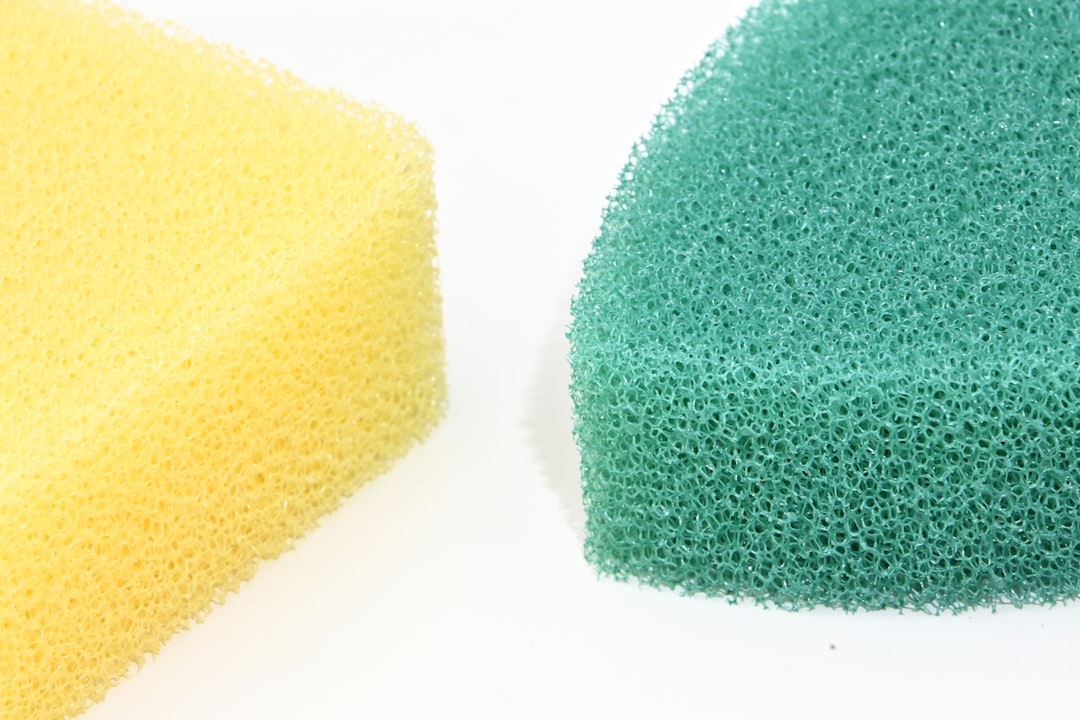
Photo by matsushita kouki on Unsplash
We don’t quote prices for third-party products: list prices change often and we can’t verify them for you. Check the vendor’s or retailer’s own current listing.
Key Takeaways
Sponges work well for a natural, dewy look on dry or combination skin. Brushes perform better for oily skin, precision work like contouring, and faster application.
The Decisive Factors
- Finish: Sponges blend foundation into skin for a seamless look. Brushes layer product on top for adjustable coverage.
- Skin Type: Sponges work better on dry areas, while brushes handle oil more effectively.
- Cost: Sponges have a lower initial price but require more frequent replacement. A brush may last three times longer.
- Speed: Brushes can cover a full face in under two minutes. Sponges typically need three to four minutes for smooth blending.
Verdict: Choose a sponge for a natural finish and if you don’t mind replacing it regularly. Opt for a brush if you have oily skin, need sharp edges, or prefer long-term savings. For best results, use both—a brush for coverage and a sponge for blending.
Sponge vs Brush: The Comparison
Sponges and brushes serve different purposes, and the right choice depends on your skin type, budget, and desired finish. Below is a straightforward breakdown based on product specifications, dermatologist recommendations, and user feedback.
Cost Over Time
Sponges appear budget-friendly until you account for replacement. However, if you have oily or acne-prone skin, bacteria buildup may shorten a brush’s lifespan.
Sponge vs. Brush at a Glance
| Factor | Sponge (e.g., Beautyblender) | Brush (e.g., Sigma F80 / Morphe M439) |
|---|---|---|
| Finish | Natural, dewy (sheer to medium coverage) | Matte, buildable (light to full coverage) |
| Coverage | Light to medium (blends smoothly) | Light to full (layerable for precision) |
| Best for Skin Type | Dry, combination, sensitive | Oily, acne-prone (less product absorption) |
| Cost (Upfront) | ||
| Lifespan | 3–6 months (replace when torn or smelly) | 1–3 years (replace when bristles fray) |
| Cost Per Use | (3-month replacement) | (2-year lifespan) |
| Maintenance | Wash after every use | Weekly cleaning, monthly sanitizing |
Finish Showdown: How Sponges and Brushes Affect Your Makeup
Sponges create a smooth, skin-like finish, while brushes offer control and definition. The difference lies in how they apply product to your skin.
The Sponge Effect: A Natural Look
A damp sponge presses foundation into the skin rather than sitting on top. This method blurs pores and creates a soft, even finish. A damp sponge shears product across the skin instead of dragging it, which is where the lit-from-within effect comes from.
This approach works best for natural or dewy makeup. Pair it with a lightweight foundation for a seamless result. However, building full coverage can be tricky—layering too much may look heavy.
The Brush Effect: Precision and Definition
Brushes, especially dense kabukis, pick up more product and deposit it in targeted strokes. They excel at contouring, highlighting, and full-coverage foundations. The finish is polished but can emphasize texture if skin isn’t prepped well.
For oily skin, brushes are ideal—they don’t absorb excess oil, helping makeup last longer. But if you press too hard, you might end up with streaks.
Which Finish Do You Prefer?
If you want a natural, skin-like look—especially on dry or combination skin—use a sponge. For definition, full coverage, or oily skin, a brush works better.
Skin Type Matters: Which Tool Works Best for You?
Flawless Blending in 5 Minutes: The Pro Makeup Artist’s Brush System for Busy Creators — If you’re leaning toward brushes for their speed and precision—especially on oily skin or for sharp contouring—our Pro Makeup Artist’s Brush System is designed to deliver flawless blending in just five minutes, even on b Includes 1 free bonus resources. cut your makeup time in half with pro-grade brushes
Your skin type influences whether a sponge or brush will give the best results. Here’s a quick guide to help you decide.
Dry or Combination Skin
Sponges add hydration while blending, making them ideal for dry or combination skin. Squeeze out excess water before use—soaking the sponge dilutes product and can cause streaking.
Oily Skin
Brushes work better for oily skin. Synthetic bristles don’t absorb oil, so they distribute foundation evenly. Look for densely packed fibers to avoid streaks. Brushes also last longer if cleaned weekly, making them a more hygienic and cost-effective choice.
Acne-Prone or Sensitive Skin
Sponges can trap bacteria, even with regular cleaning. Brushes with antibacterial bristles are safer, but they still need frequent washing. If you prefer a sponge, consider a silicone option—they’re non-porous and resist bacteria.
Mature Skin
Sponges are better for mature skin. Their soft texture buffs foundation into fine lines instead of settling into them. Brushes can drag product across wrinkles, making them more noticeable. For the best results, pat foundation with a damp sponge, focusing on areas prone to creasing.
Quick Decision Checklist:
- Dry/combo? Sponge (latex-free).
- Oily? Brush (synthetic bristles).
- Acne-prone? Brush (antibacterial bristles) or silicone sponge.
- Mature skin? Sponge (damp, patting motion).
Cost and Maintenance: What You Need to Know
Sponges seem cheaper upfront, but their frequent replacement adds up.
Upfront vs. Long-Term Costs
Most need replacing every 1–3 months, especially if not sanitized after each use. A well-maintained brush can last years.
Maintenance Matters
Brushes require weekly deep-cleaning and monthly sanitizing. Sponges need a daily rinse—skip it, and they become breeding grounds for bacteria. A solid cleanser helps, but it’s an extra step.
Which Saves You More?
If you prefer low maintenance, brushes are the better choice. The upfront cost is higher, but the monthly price is lower. If hygiene is a priority or you have oily skin, sponges might work—but budget for replacements. For most people, brushes become cheaper after six months.
Application Speed: Which Tool Saves Time?
Brushes are faster. A dense kabuki brush can apply full-face foundation in 30–45 seconds, making it ideal for quick routines. Sponges take 60–90 seconds to blend seamlessly, especially for a natural finish.
When Speed Matters More Than Polish
If you’re in a hurry, a brush is the better option. It covers large areas quickly but may leave visible edges. You might spend extra time fixing those spots later.
Sponges force you to slow down, but the result is a flawless, airbrushed look. The extra time pays off in a seamless finish.
The Hybrid Approach: Fast and Flawless
For the best of both worlds, use a brush for speed and a sponge for polish. Apply foundation with a brush for quick coverage, then blend with a damp sponge to soften edges. This method takes under a minute and delivers a professional finish.
When to Use Both: The Hybrid Technique
You don’t have to choose just one tool. Using a brush first and then a sponge gives you precision and a seamless finish. This method is popular for bridal makeup, photoshoots, or any time you want a polished look.
How to Do It
- Apply foundation with a brush. A flat-top kabuki lays down product evenly. Start at the center of your face and buff outward in circular motions.
- Dampen your sponge and stipple. Gently bounce the sponge over the brush strokes to blend. Focus on areas with texture or redness.
- Press concealer with the sponge. Sponges work best for under-eyes and around the nose. Use the pointed tip to tap concealer into place, then blend with the flat side.
It’s especially useful for combination or textured skin.
Who Benefits Most?
This technique works well for:
- Combination skin (oily T-zone, dry cheeks).
- Textured skin (large pores, acne scars).
- Full-coverage foundation (the brush ensures even application, while the sponge softens the finish).
The only downside? It takes an extra minute or two. But if you want flawless, long-wearing makeup, it’s worth the time.
Which One Should You Choose? A Quick Guide
Still unsure? Here’s a simple breakdown based on cost, skin type, and finish.
Choose a sponge if:
- You want a natural, dewy finish.
- Your skin is dry or combination—sponges blend without emphasizing texture.
Tip: Dampen it first—dry sponges absorb more product, wasting foundation.
Choose a brush if:
- You need full, buildable coverage (oily skin? Brushes layer well).
- You’re short on time—a dense kabuki applies foundation in under 45 seconds.
Watch out: Cheap brushes shed—opt for synthetic bristles to avoid bacteria buildup.
Use both if:
You want pro-level results for events or photos. Start with a brush for precision, then blend with a sponge for a seamless finish.
Final verdict: For daily wear, dry/combo skin = sponge; oily/acne-prone = brush. Use both only if you want the best possible finish.
Frequently Asked Questions
Is a makeup sponge better for medium-to-sheer coverage? Yes, sponges work well for medium-to-sheer, dewy finishes with liquid foundation. Brushes are better for buildable, full coverage.
Keep reading
Keep exploring the topic with these related guides:
- Makeup Brushes vs Beauty Blender: Which Gives Flawless
- 10 Best Beauty Blenders of 2026: Expert Reviews & Hidden Flaws
Next step: Ready to upgrade your routine? Try the brush system trusted by creators who need speed and precision without compromise. blend like a pro in under five minutes